
Winter is for Being Extra: Warming Up Anxiety With Fashion and Food
In The Magazine’s FASHIONABLE SCIENCE editorial, we look beyond just fashion. We add personalized neuroscience to make you stand out and repair from the inside out. It defines true style with science-backed insight into how to stay balanced.
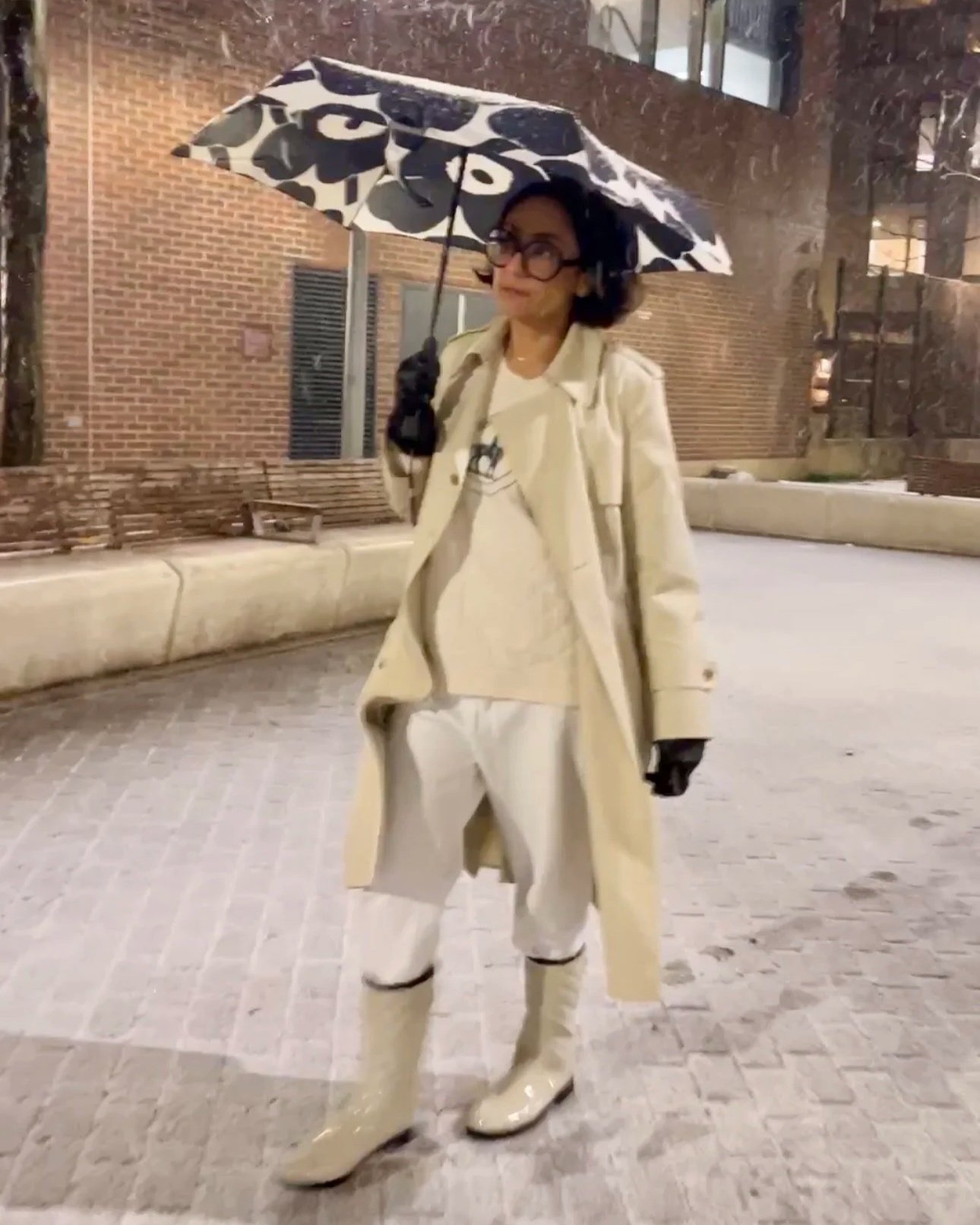
LAYERING UP
BY STAFF
The coldest day in NYC warrants being extra. Extra layers, extra food, extra effort.
The arctic air and temperature permeate mood as much as it does bones. The most sensitive in the bunch, Vata, feels that 10 times more than anyone else. This dosha is described as “cold”. But, how does that translate in science? Their hyperactive sympathetic nervous system means insomnia and goose bumps (sympathicotonia).
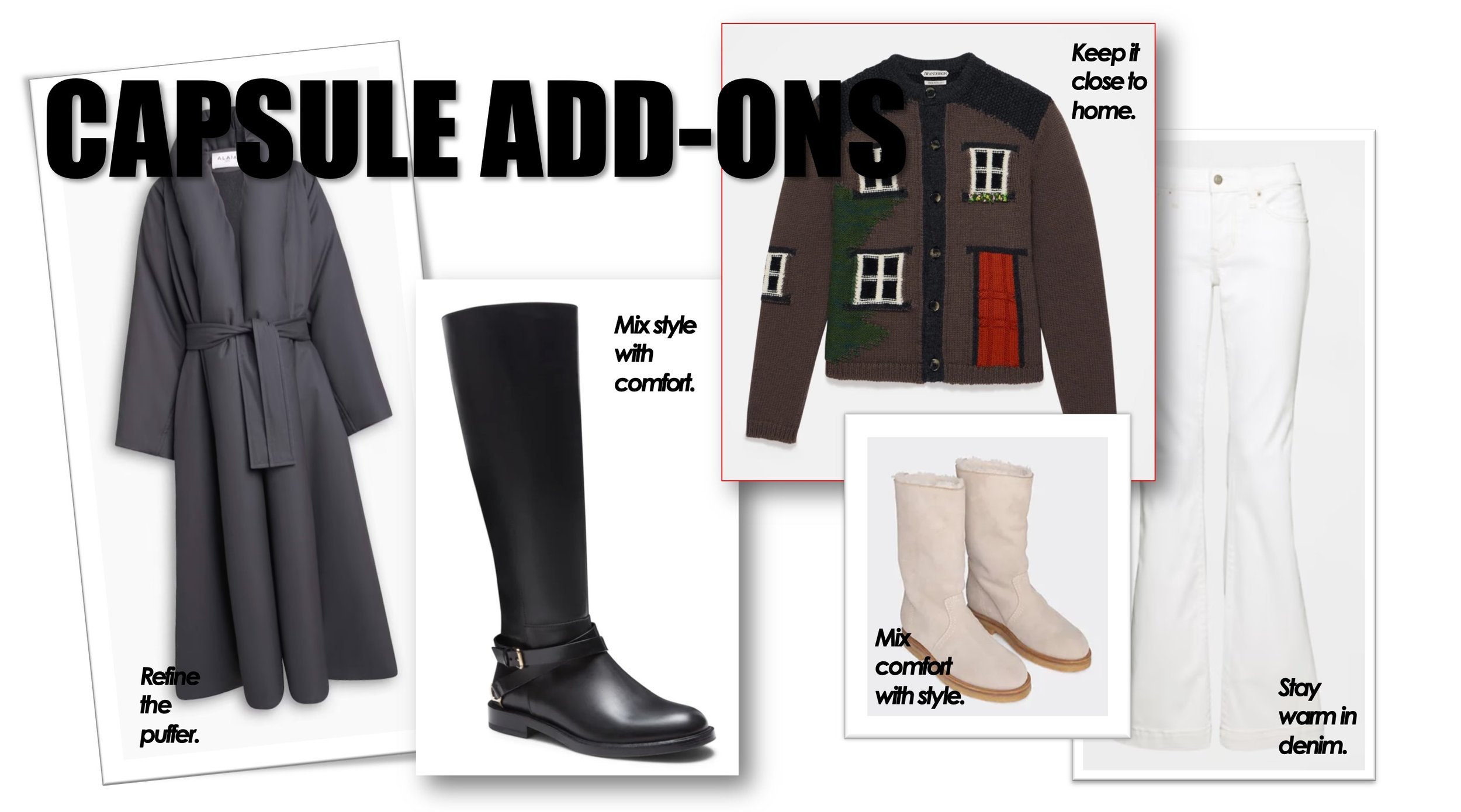
Adding a few key pieces to Vata’s winter capsule wardrobe when the wind chill hits 2 degrees is essential. Pairing them with optimal foods for a steady body and centered mind is genius.
THE SCIENCE
Winter is the season of eating and hibernating. Vata dislikes all of that. The inability to produce significant heat is their major issue. It literally gets on their nerves. Metabolism and the gut-brain axis (GBA) can destabilize due to how Vata types perceive and adapt to cold temperatures.
The Body
Vata’s metabolic heat is lower than average, slowing the activation of digestion. Favor eating real food at regular times and lift weights to turn up metabolism and thermogenesis. Real Food equals vegetable stew and keeping the fries as a side, and a hot panini instead of a baguette. Building muscle generates heat at rest, so push through the day with push-ups. Also, keep a bottle of Hum’s Flatter Me at the dinner table. This is an example of a digestive supplement that is “heats” “cold” digestive systems for proper digestion of foods to occur. Bloating is a sign of insufficient digestion.
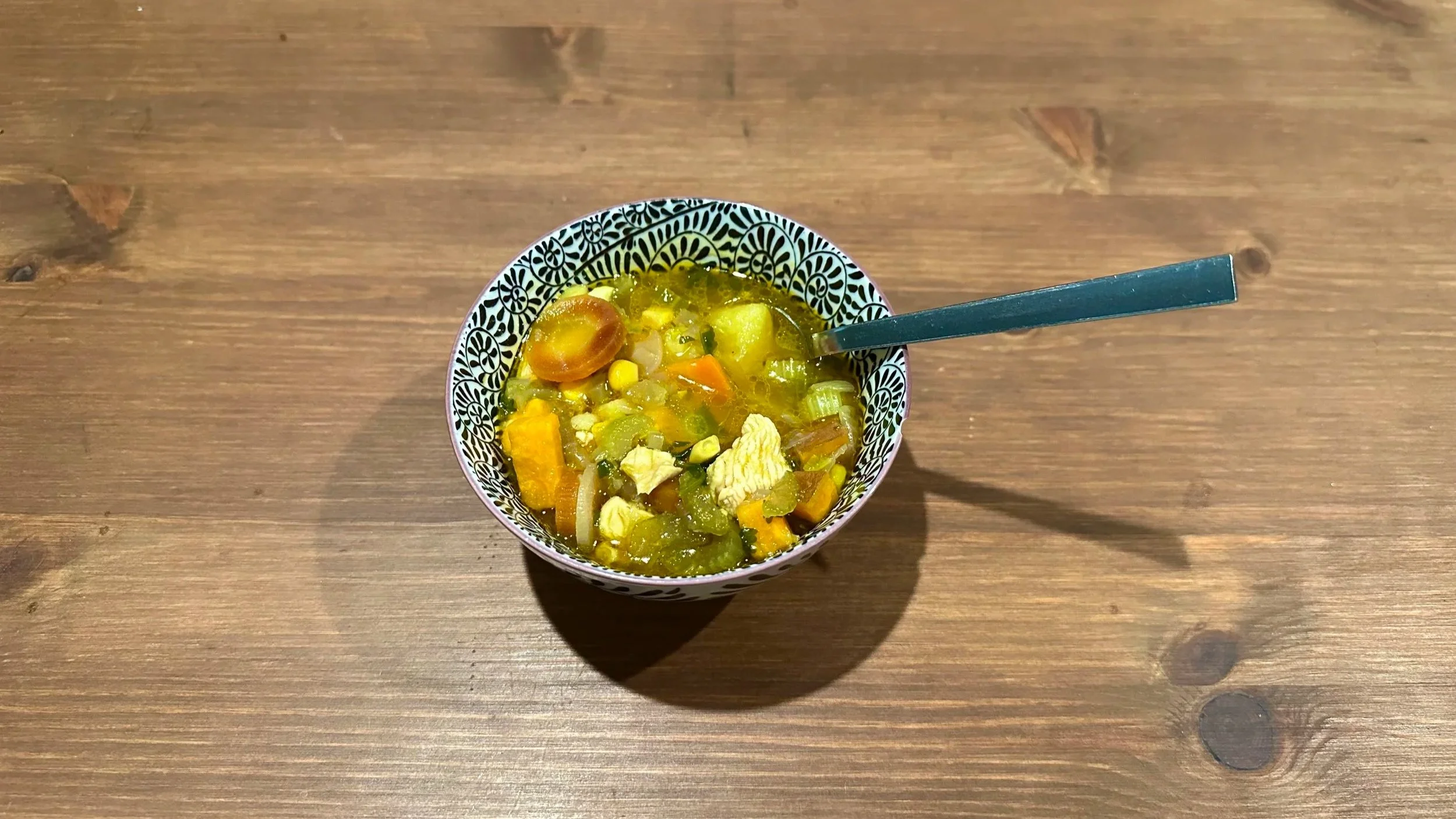
Vata’s low appetite is a sign of “cold” or insufficient digestion. A classic homemade Dominican soup with root vegetables like carrots and sweet potatoes warms mild anxiety away. (Image: AKJAM Publishing)
The Mind
Vata’s GBA heightens sensitivity. Paired with reduced vagal tone makes them more reactive. Basically, their gut is stuck in fight or flight (sympathetic) mode (SNS) instead of rest and digest (parasympathetic) mode (PNS). High anxiety, including racing thoughts and overstimulation, suppresses digestive heat. The gut becomes less coordinated plus digestive enzymes decrease. Fill your menu with miso soup, roasted sweet potatoes, and cinnamon oatmeal. Miso soup is warm and fermented, so it reduces inflammatory cytokines and improves stress resilience. It also increases microbiome diversity, which influences GABA and serotonin signaling to alleviate anxiety. Fiber and tryptophan in sweet potatoes and oats increase short-chain fatty acid production and influence the vagus nerve to reduce anxiety-linked inflammation.
The Attire
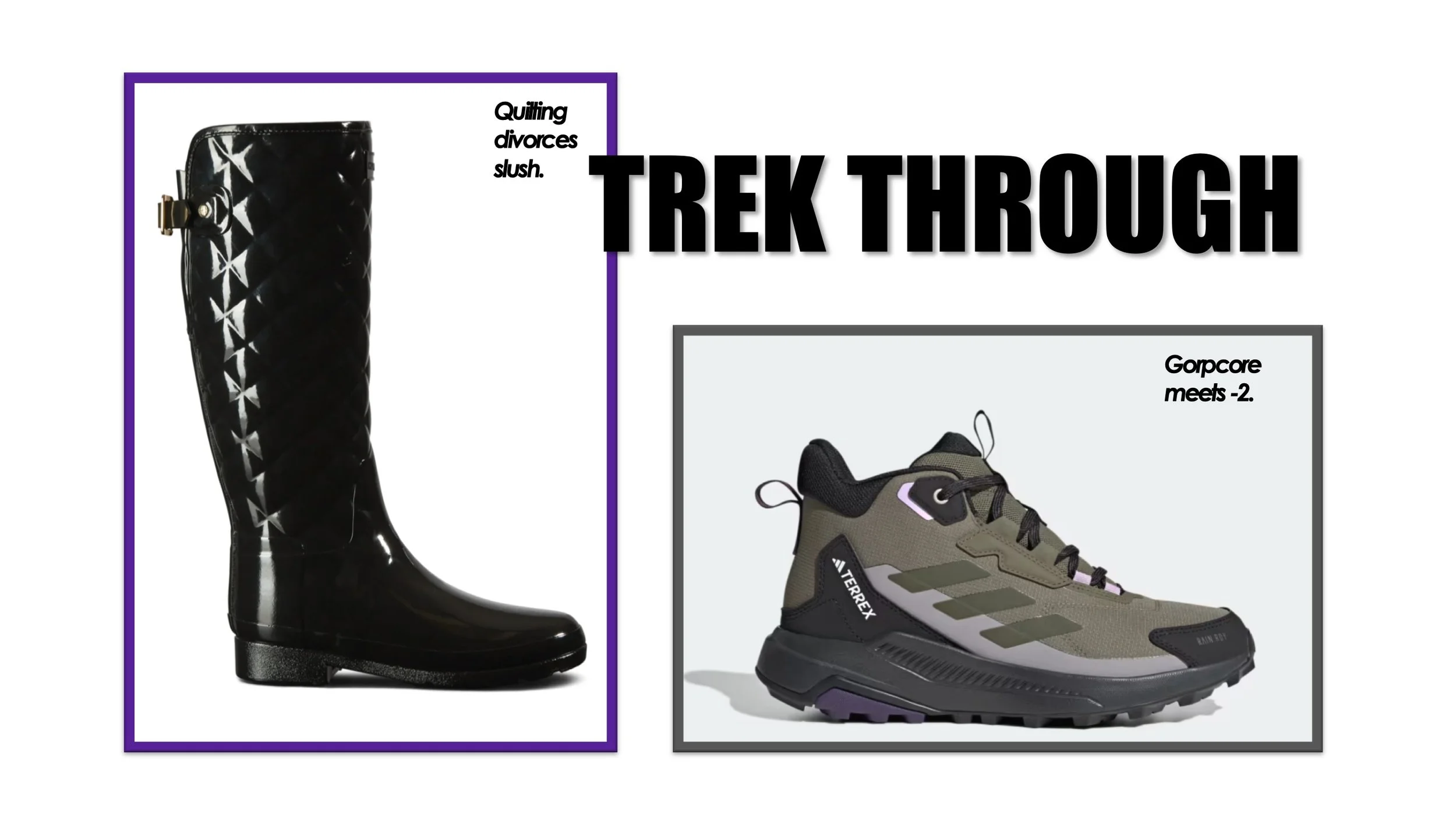
Functional items shun overburdening delicate frames made of fragile bones and joints. Add a little Gorpcore and we might make it to Spring with rosy cheeks. Forgo the suede high heel booties when streets are slippery and gross. The feet and lower legs are major thermoregulation zones. When they are cold, the SNS activates, circulation pulls inward, muscles tense, and anxiety increases.
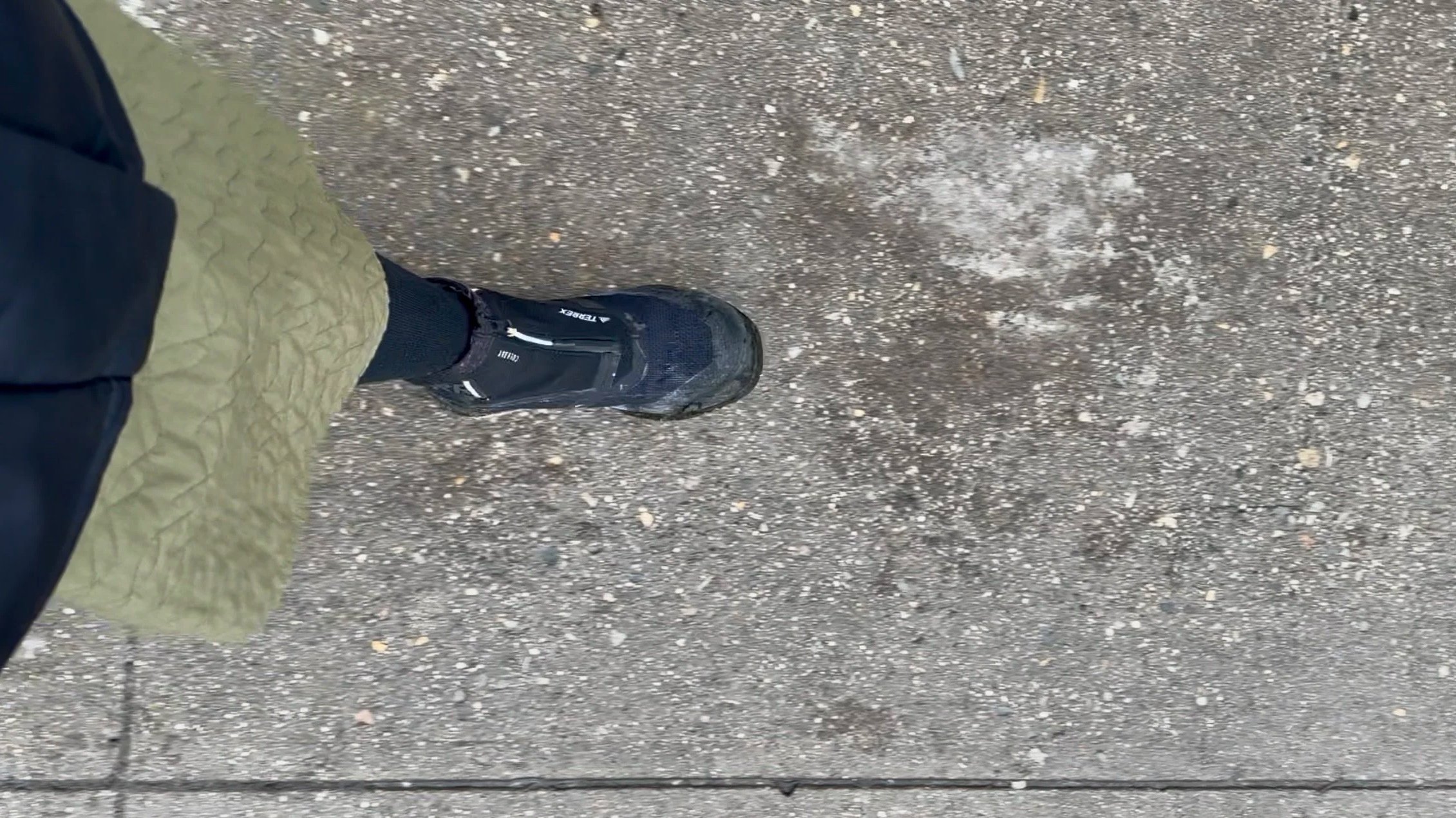
Our EIC and Founder in her pair of Terrex after a major snowstorm and during a deepfreeze. (Image: AKJAM Publishing)
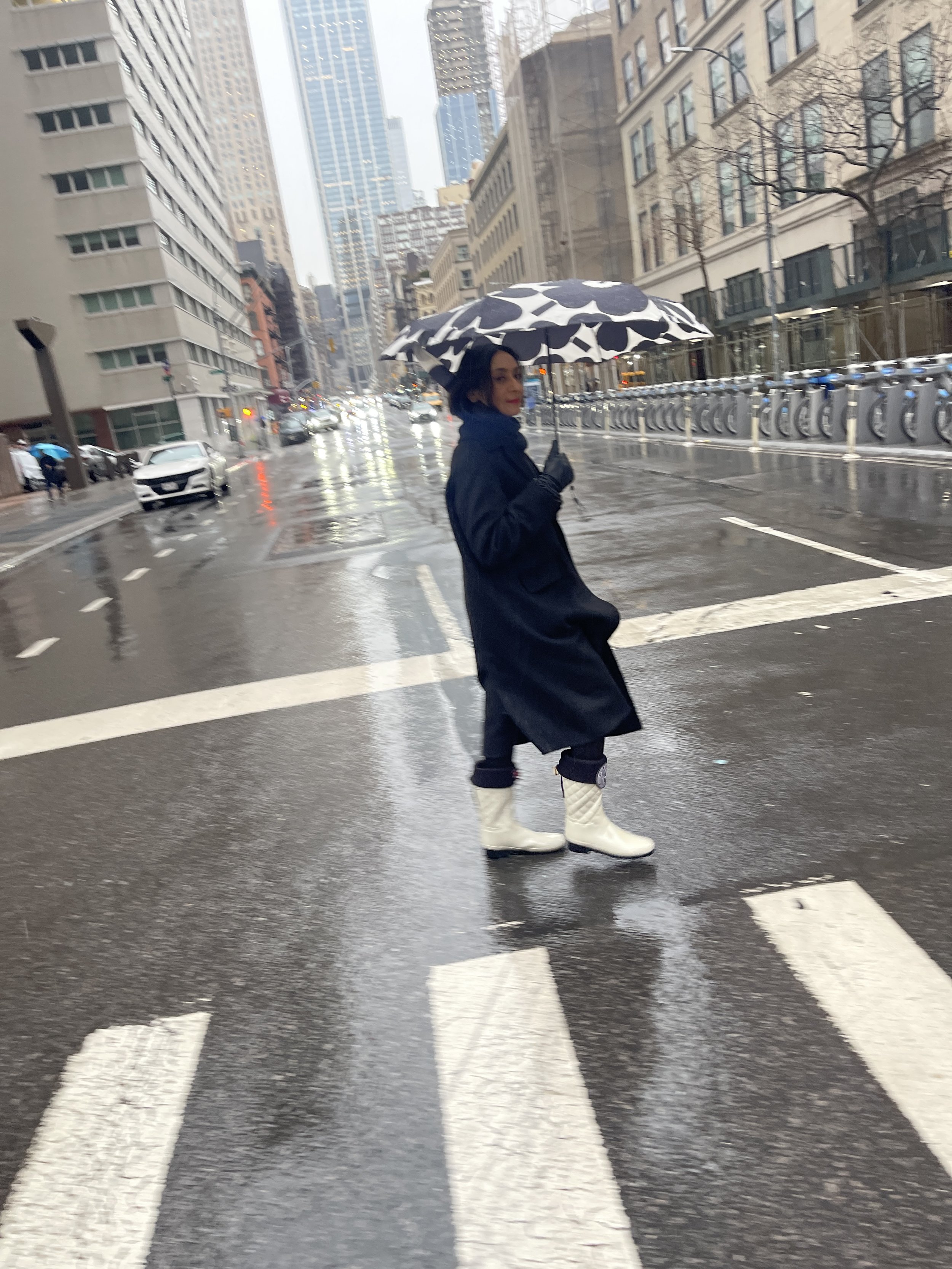
Pull on a pair of real boots like Adidas Terrex, Hunter quilted rain boots, or Fratelli Rosetti riding boots. Aside from warmth, these provide traction, stability, and grounding weight.
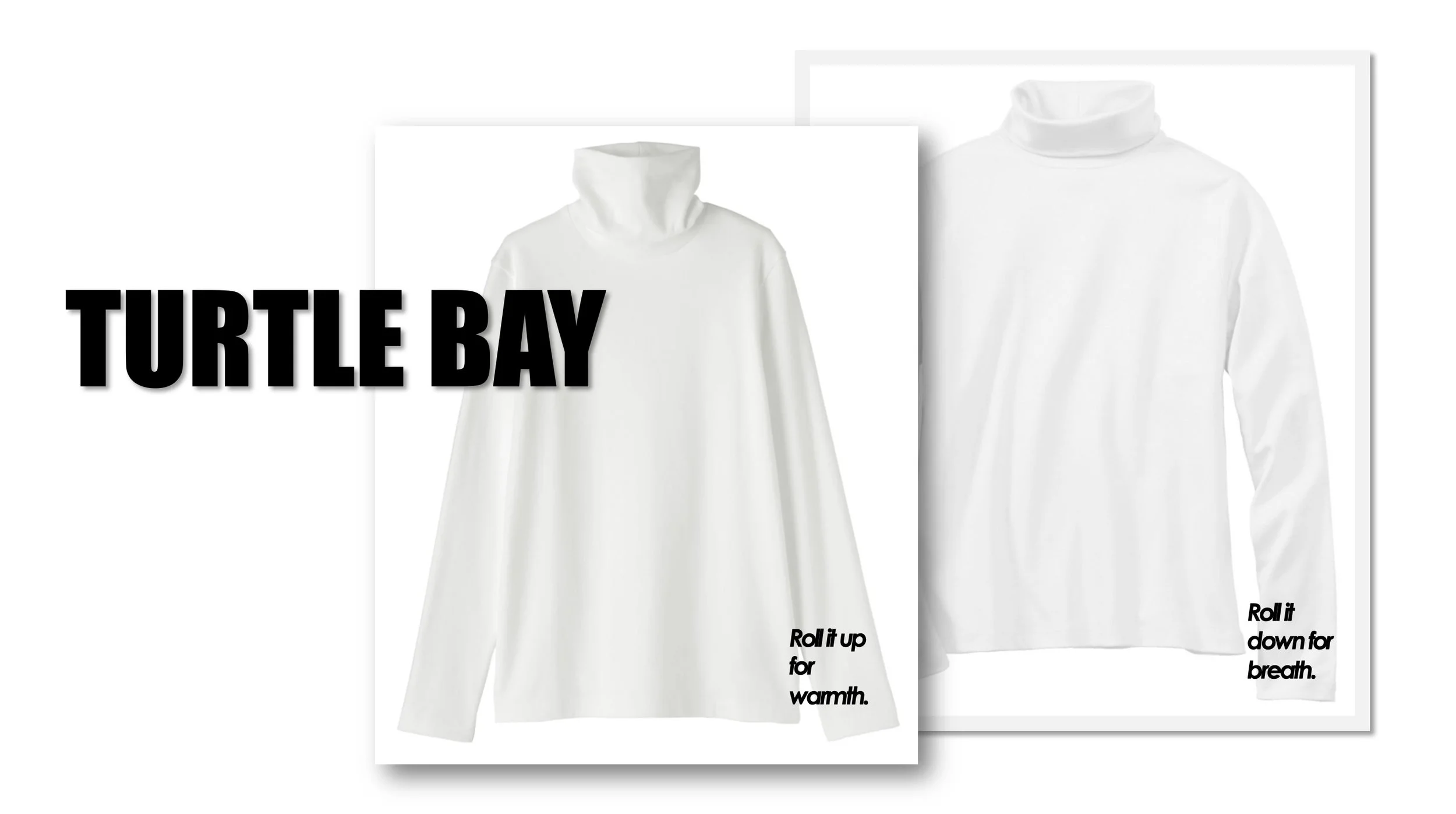
A turtleneck rolled up or down fends off shivers by blocking the wind entry point. Lowering contact with wind at the neck prevents anxious, scattered, and tense feelings. Furthermore, the vagus nerve runs down the neck and into the chest. A turtleneck supports parasympathetic tone for calmer breathing, less flutteriness and steadier digestion.
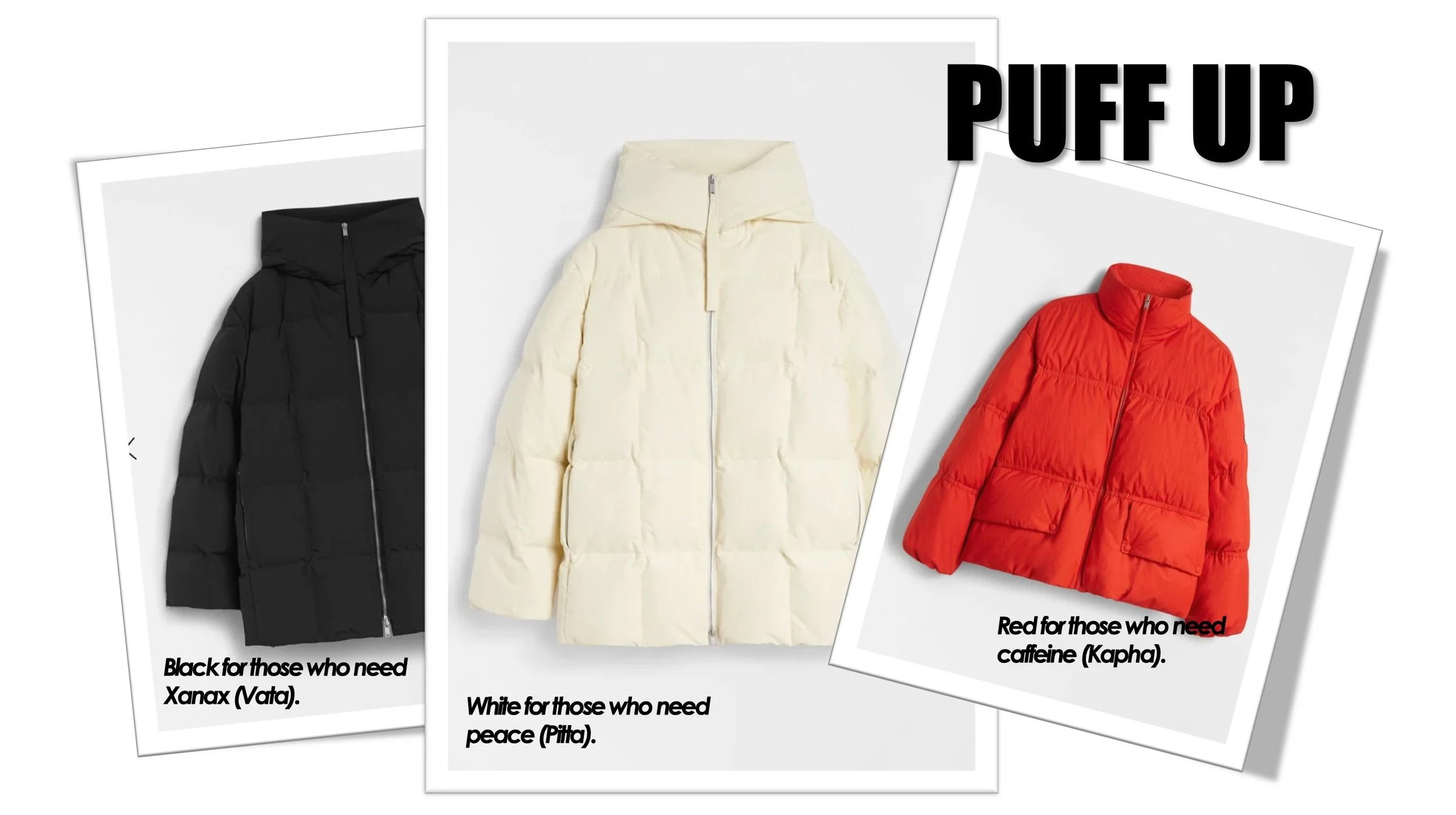
Zip up a good puffer coat that blocks wind. Wind is overstimulating, meaning that it increases sensory input on the skin and heightens nervous-system reactivity.
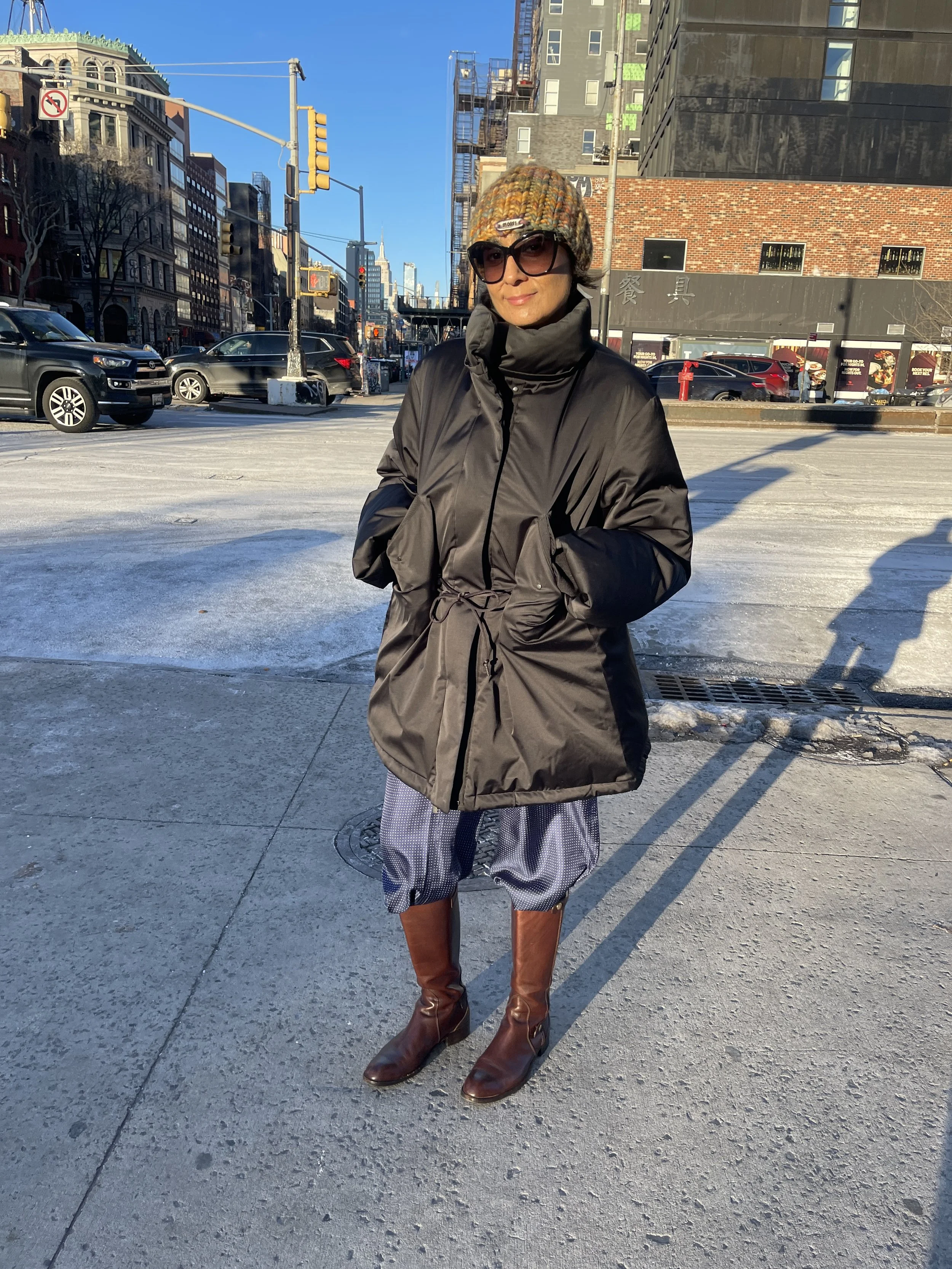
Our EIC and founder in an example of a good puffer coat and Fratelli Rosetti riding boots. (Image: AKJAM Publishing)
The gentle weight and wrap of this layer mimics a weighted blanket in that it is a milder version of deep-pressure stimulation (DPS). DPS attenuates Vata disposition by lowering heart rate, quieting the mind, and reducing muscle tension.
READ MORE
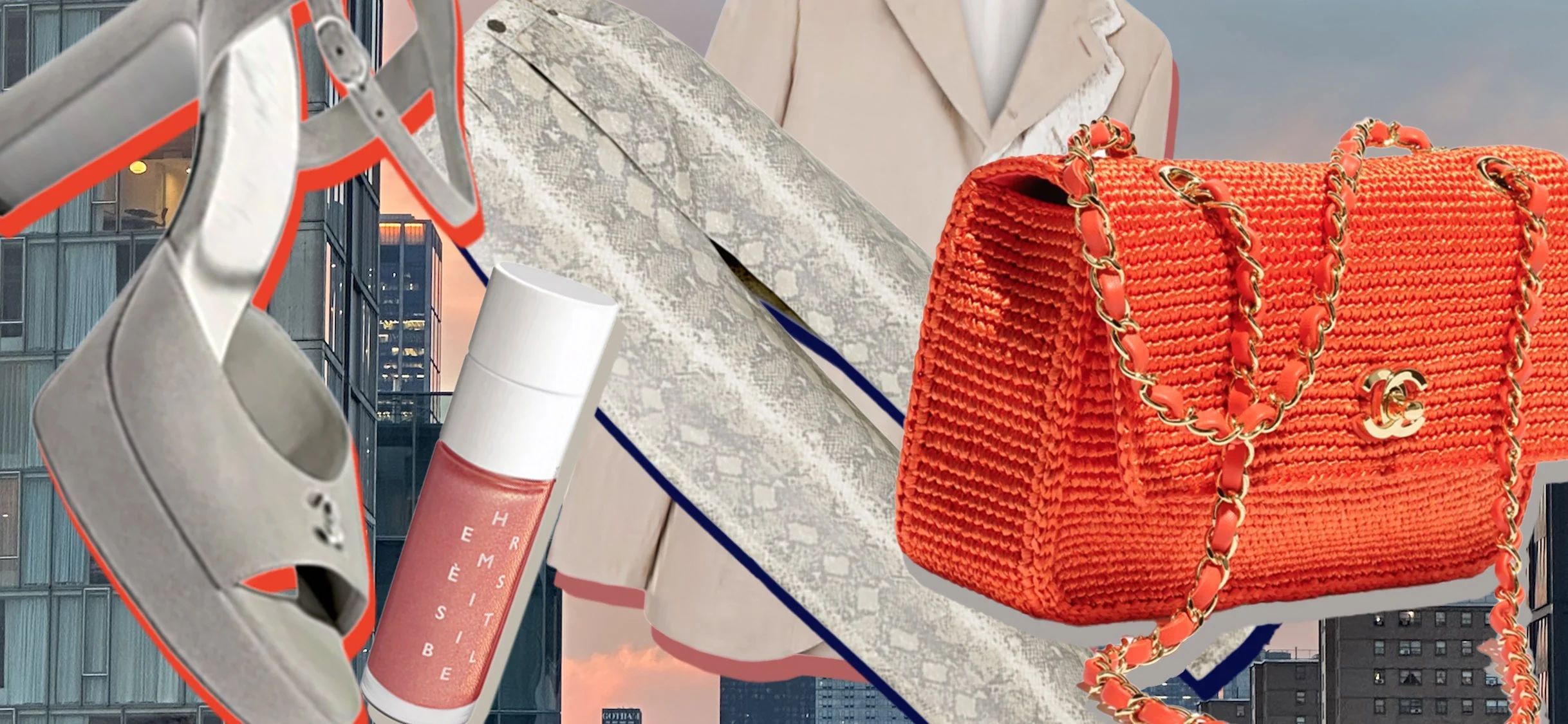
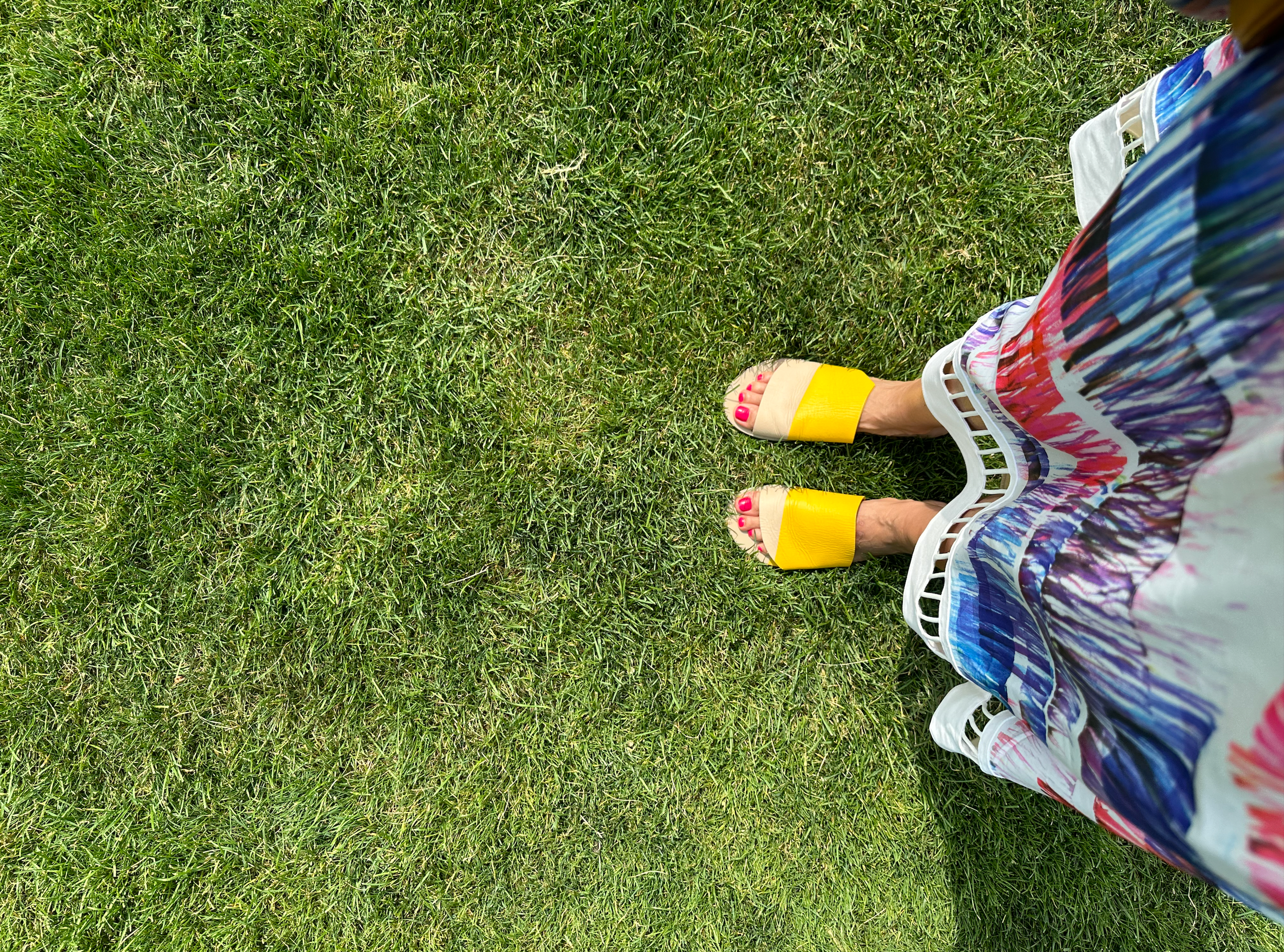
Your personal energy, and style, starts at the gut-brain axis. This New York Fashion Week (NYFW), The Magazine celebrates personal style with sustainable luxury fashion. Creator of the Dosha Dressing method, Aarti Kuver, PhD, curated an edit for Fall NYFW to coincide with her exclusive styling sessions. Like a wellness supplement, this method focuses on balance and prevention.