
The Met Gala 2026: Fashion is Art for the Body
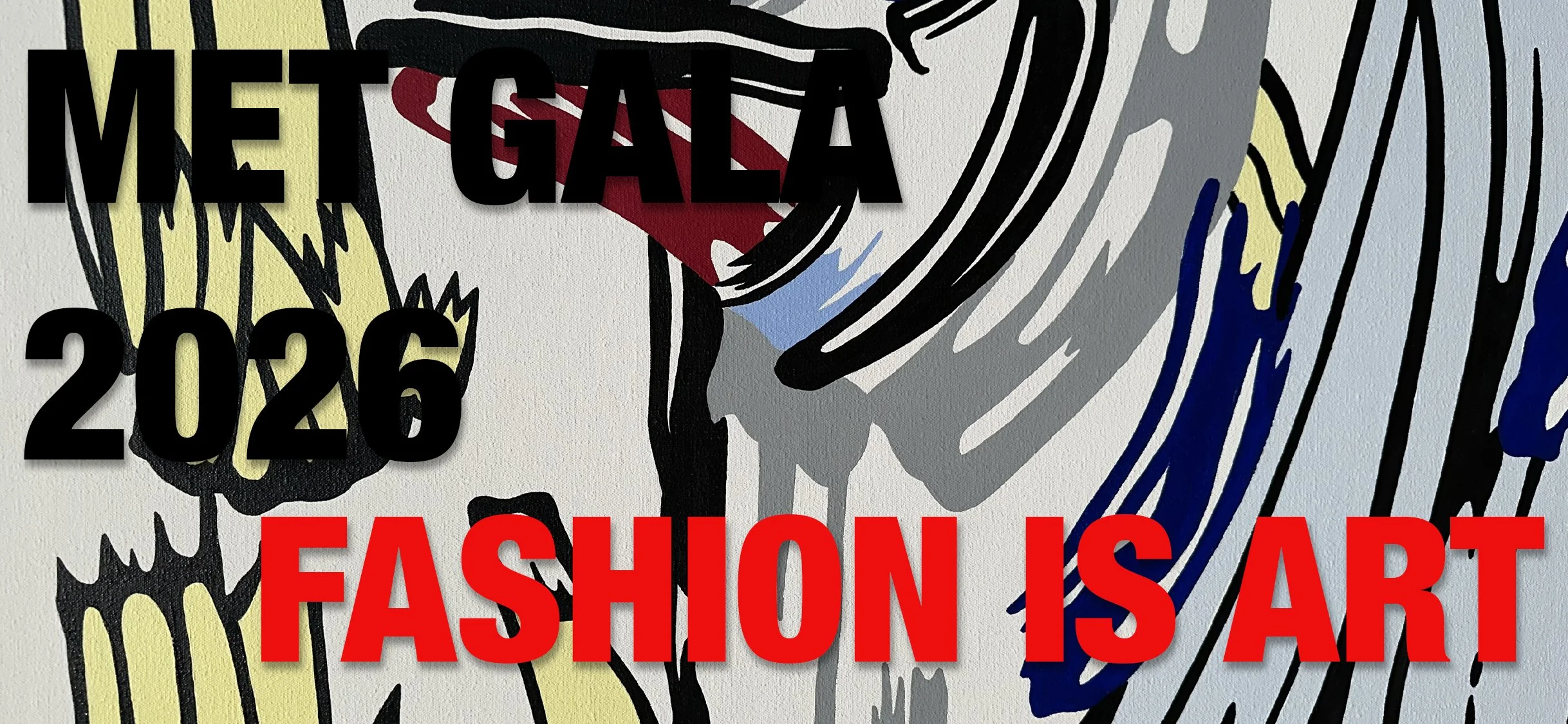
FASHION IS ART
As the Met Gala approaches, we are reminded that Katy Perry will dress in a ridiculous costume that makes the event a Halloween spectacle.
This year’s Fashion is Art theme may play to that more than previous themes.
But this is more than a regular Met Gala. This is a celebration of the new Costume Institute wing. It finally has a home. Fittingly, this year’s exhibition Costume Art emphasizes the body. From Michelangelo’s David (ca. 1501-1504) to Picasso’s Three Women at the Spring (1921), art historically references the body. The interpretation of these artworks is seen throughout fashion. From prints to shapes, we incorporate this daily.
Of course, Dosha Dressing is the epitome of Fashion is Art.
THE SCIENCE
Every time you put together an outfit- whether it is a pair of sweats or whatever an influencer laid out for you- it says something about you. You are telling the world who and what you are. You are even telling yourself who you are that day. That is a bit of an art form. Not art. But a form on your form- a manifestation that covers or emphasizes your shape.
Using ayurvedic theories for style is structured for your structure. It is not a one size fits all content creator angle. Developing this method with science strengthens personal style.
Here are 17 looks that embody the person, the fashion, and the art.
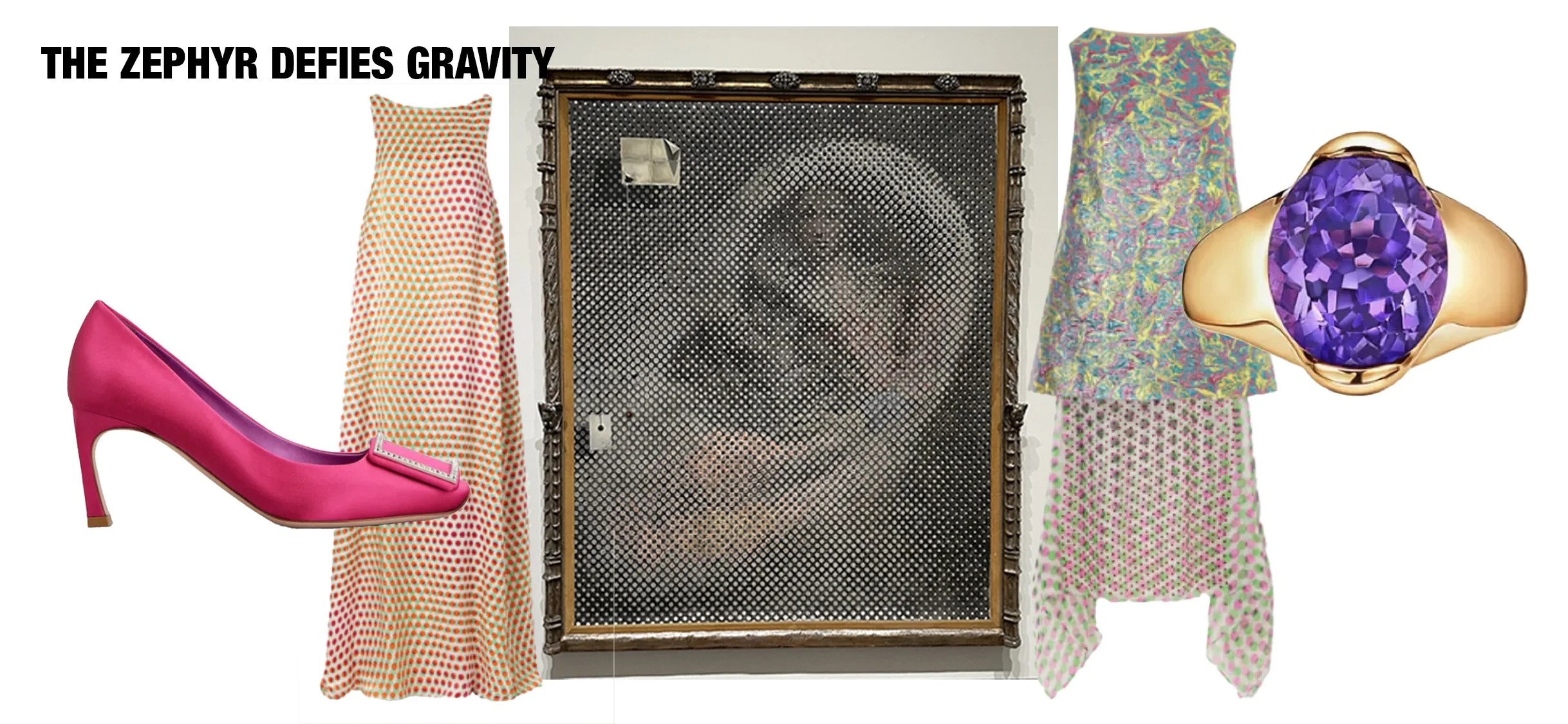
Madonna is exhibited at The Met Museum. Rapid ideation, quick perception, and the ability to jump between concepts is due to gamma waves, or high-frequency brain activity. That is a Vata trait. It also means that anxiety and ADHD are underlying factors. (Image: AKJAM Publishing)
THE ZEPHYR DEFIES GRAVITY
Salvador Dalí's Madonna (1958) is a teabag of surrealism. The "Nuclear Mysticism" style is Vata expressed through the lens of physics and spirituality. Fluttery dresses suspend Vata like the floating, disintegrating spheres and particles. The hyper-detailed dots and complex geometry reflect her high-frequency mental energy.
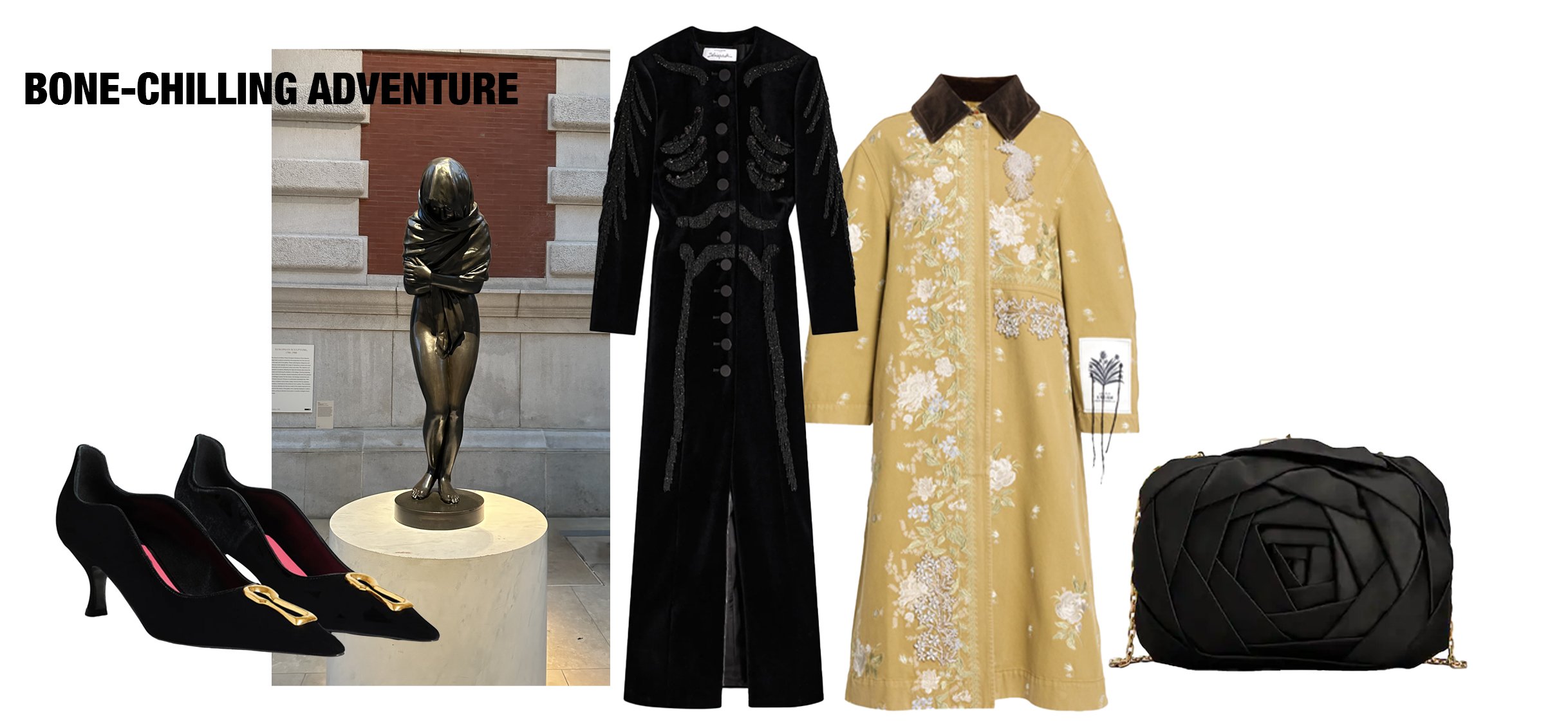
Winter is exhibited at The Met Museum. Vata lacks metabolic heat. Specifically, blood flow and enzymatic activity are low. The nervous system also is highly sensitive to cold and wind. (Image: AKJAM Publishing)
BONE-CHILLING ADVENTURE
Jean-Antoine Houdon’s Winter (1787) captures not only lithe limbs and narrow shoulders, but also the fine-boned nature of Vata pixies. Two coats and a keyhole peek into their cold adventurous spirit.
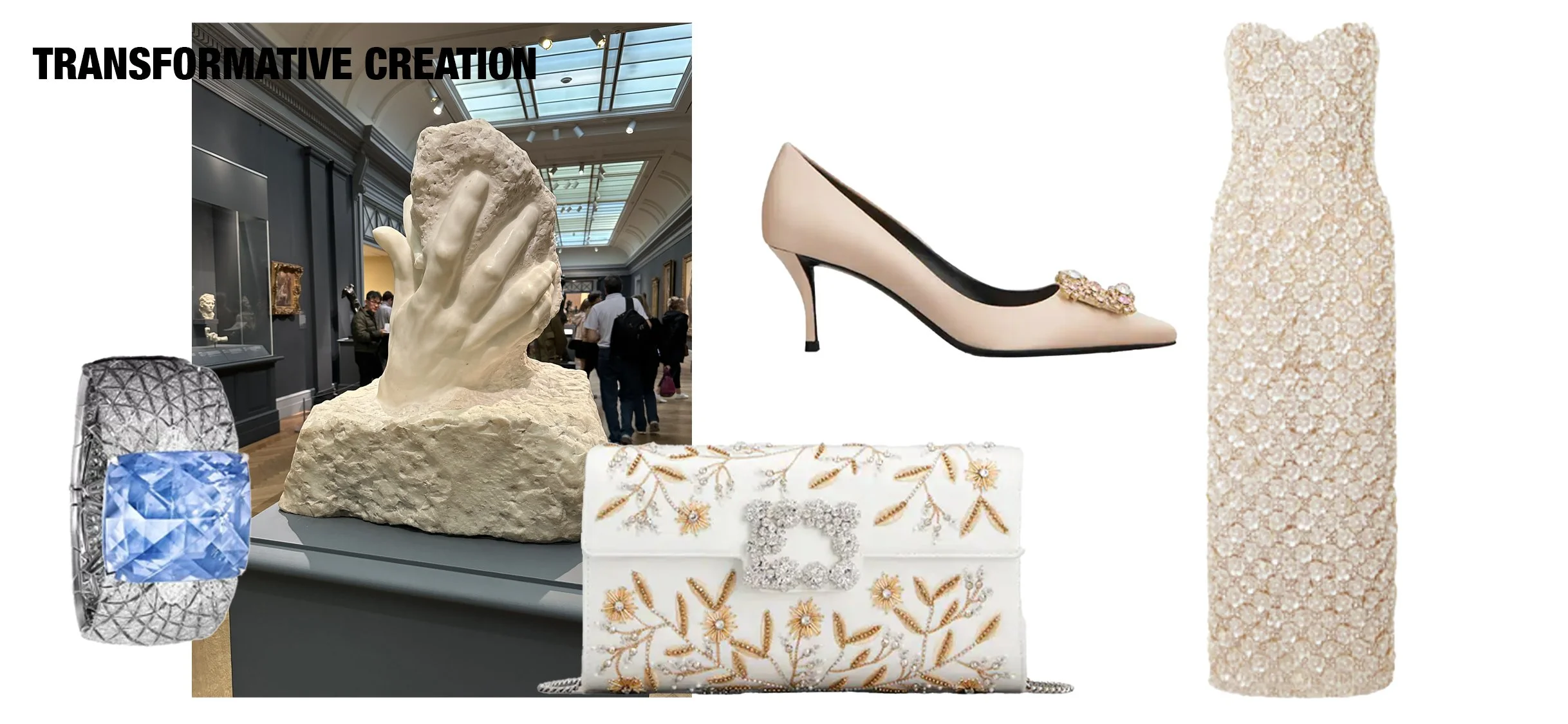
Rodin is exhibited at The Met Museum. Tridoshic balance is when neuronal plasticity and metabolic regulation are balanced. (Image: AKJAM Publishing)
TRANSFORMATIVE CREATION
Rodin’s Hand of God (ca. 1907) holds tridoshic energy. Creating something from nothing, detailing anatomical structures, and transforming unhewn marble. It pairs well with a clean embellished look.
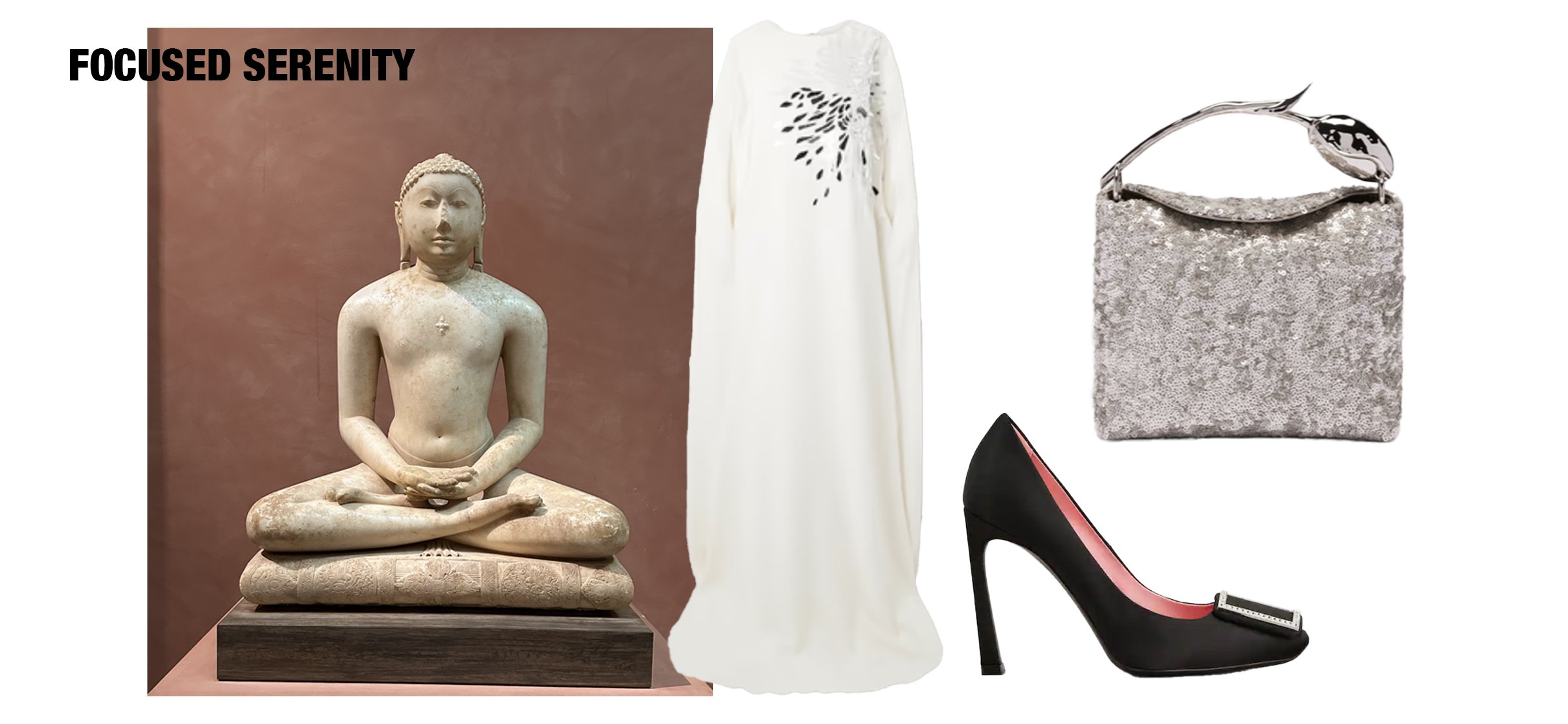
Meditation is exhibited at The Met Museum. Meditation increases brain-derived neurotrophic factor, enhancing neuroplasticity required for sustained attention. (Image: AKJAM Publishing)
FOCUSED SERENTITY
Meditation does not serve to ignore the world, but rather to put it into focus. The Jain Svetambara Tirthankara in Meditation (11th century) is an idealized yogic body. It’s marble as heavy as Kapha, it’s posture as confident as Pitta. A narrow waist widens to broad shoulders and a leonine chest. An ethereal gown, stemmed details, and iridescent scales lend Vata energies to Pitta and Kapha types.
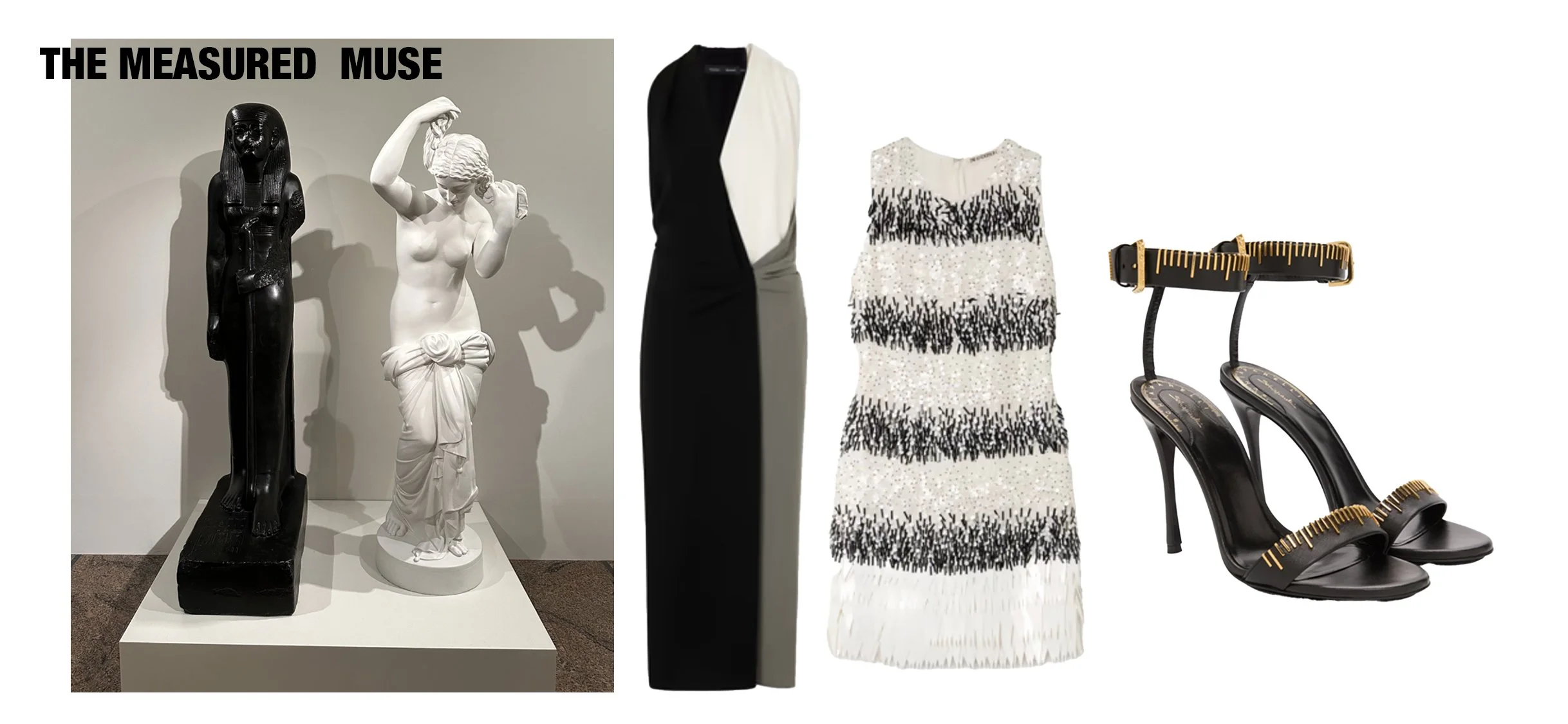
The Mete of the Muse is exhibited at The Met Museum. A person with high standards has high-functioning error monitoring and tightly coupled executive control. Their anterior cingulate cortex is hyper. (Image: AKJAM Publishing)
THE MEASURED MUSE
Black and white for the ball. Fred Wilson’s The Mete of the Muse (1992) deals with discernment, comparison, and the "fire" of the intellect. Measurement and standards are the heart of the closer. The encounter between the white plaster and the black bronze is striking and deliberate. Only Proenza Schouler, JW Anderson, and Schiaparelli can fashion that.
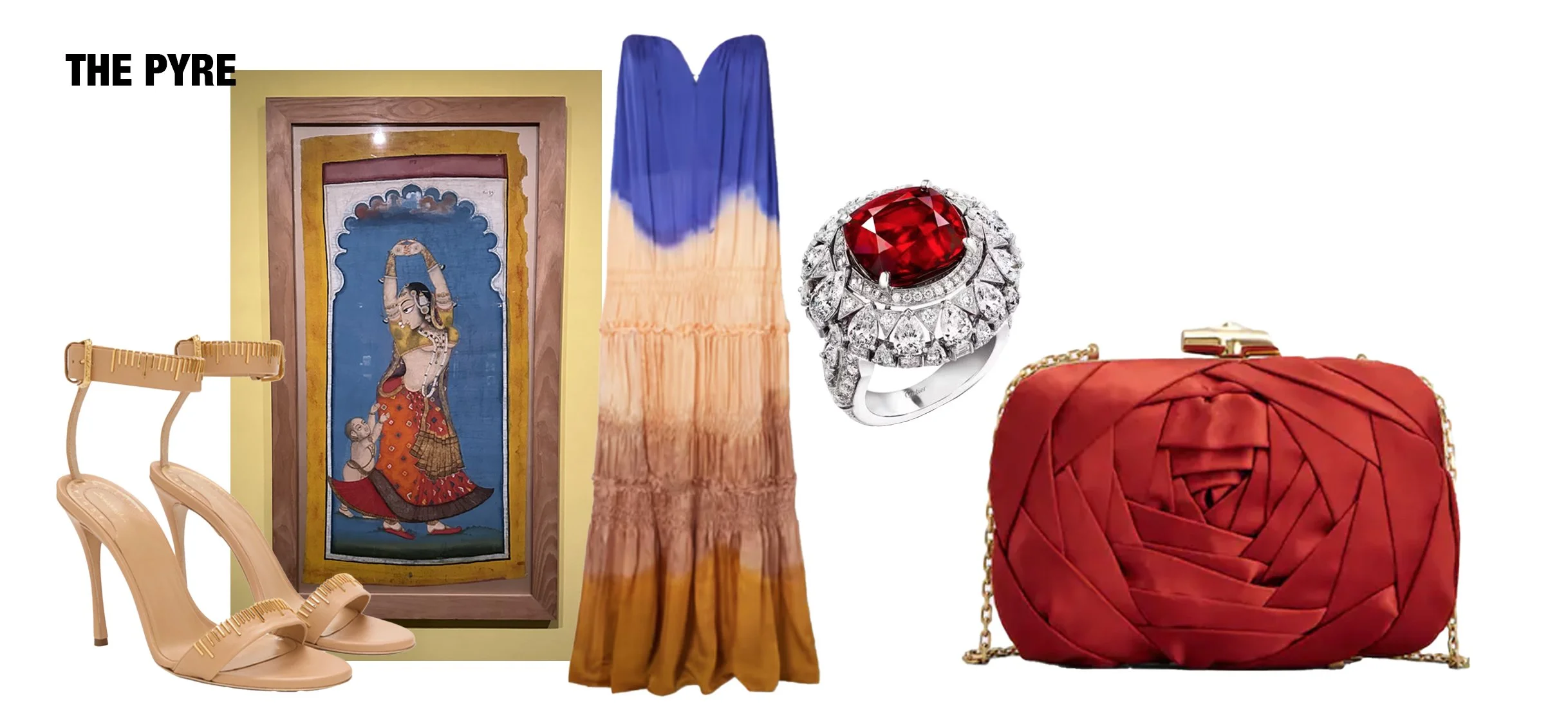
Chokha was exhibited at The Met Museum. Red triggers the amygdala, increasing blood pressure and adrenaline. That manifests into readiness and confidence when paired with flow. (Image: AKJAM Publishing)
THE PYRE
Chokha’s A Court Beauty (ca. 1805-1810) painting is an invitation to confidence. The kind that Pitta has and Vata needs. A flowing dress accented with bold reds shapes this look.
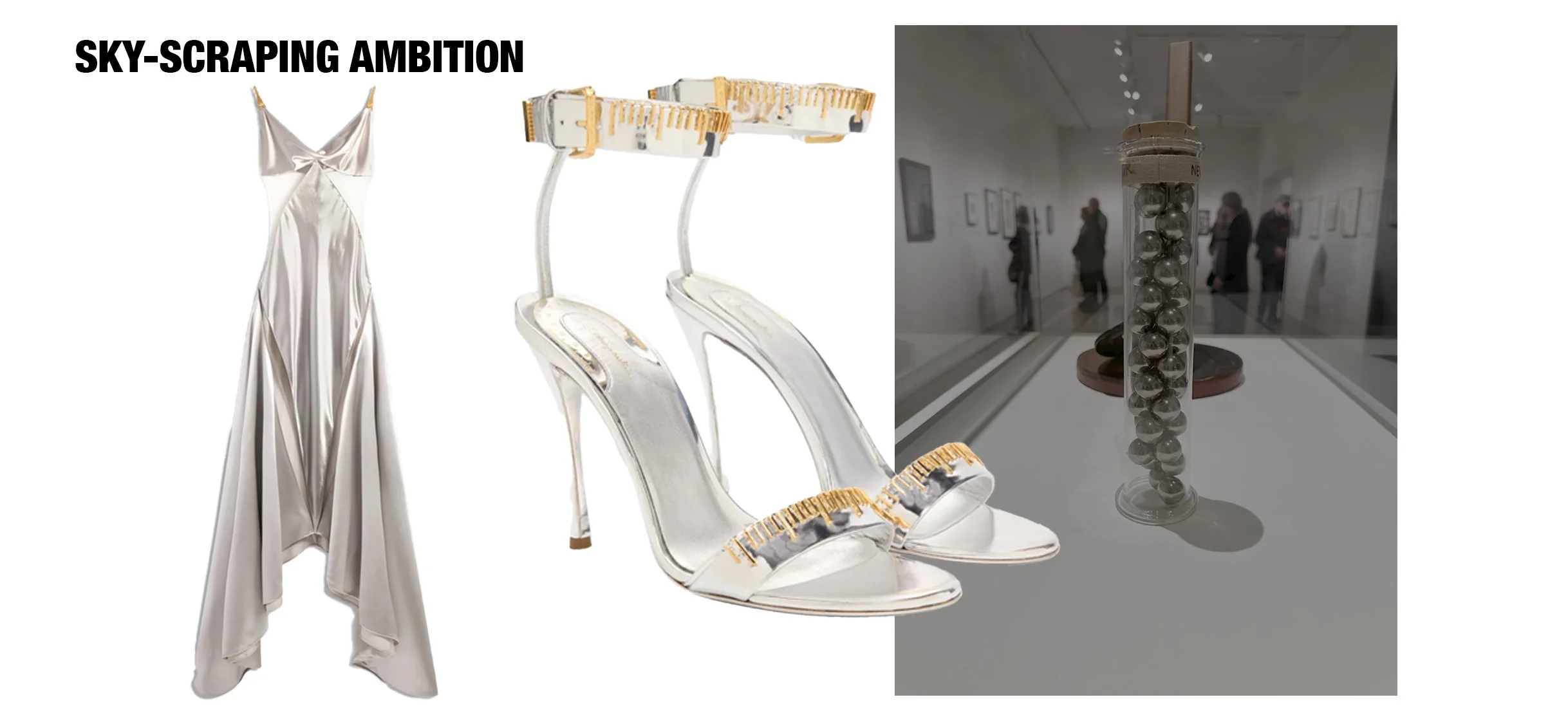
Man Ray was exhibited at The Met Museum. NYC is an environmental neuro-stimulant. Chronic dopaminergic priming provides reward cues, making ambition a shared characteristic. (Image: AKJAM Publishing)
SKY-SCRAPING AMBITION
Sleek, measured, and packed like a jar of New York City’s tallest. Man Ray depicted New York in New York (1920) with steel balls that reminded the “starving artist” of olives. Schiaparelli’s flowing silver gown and measuring tape heels drape ambitious alpha’s in a New York minute.
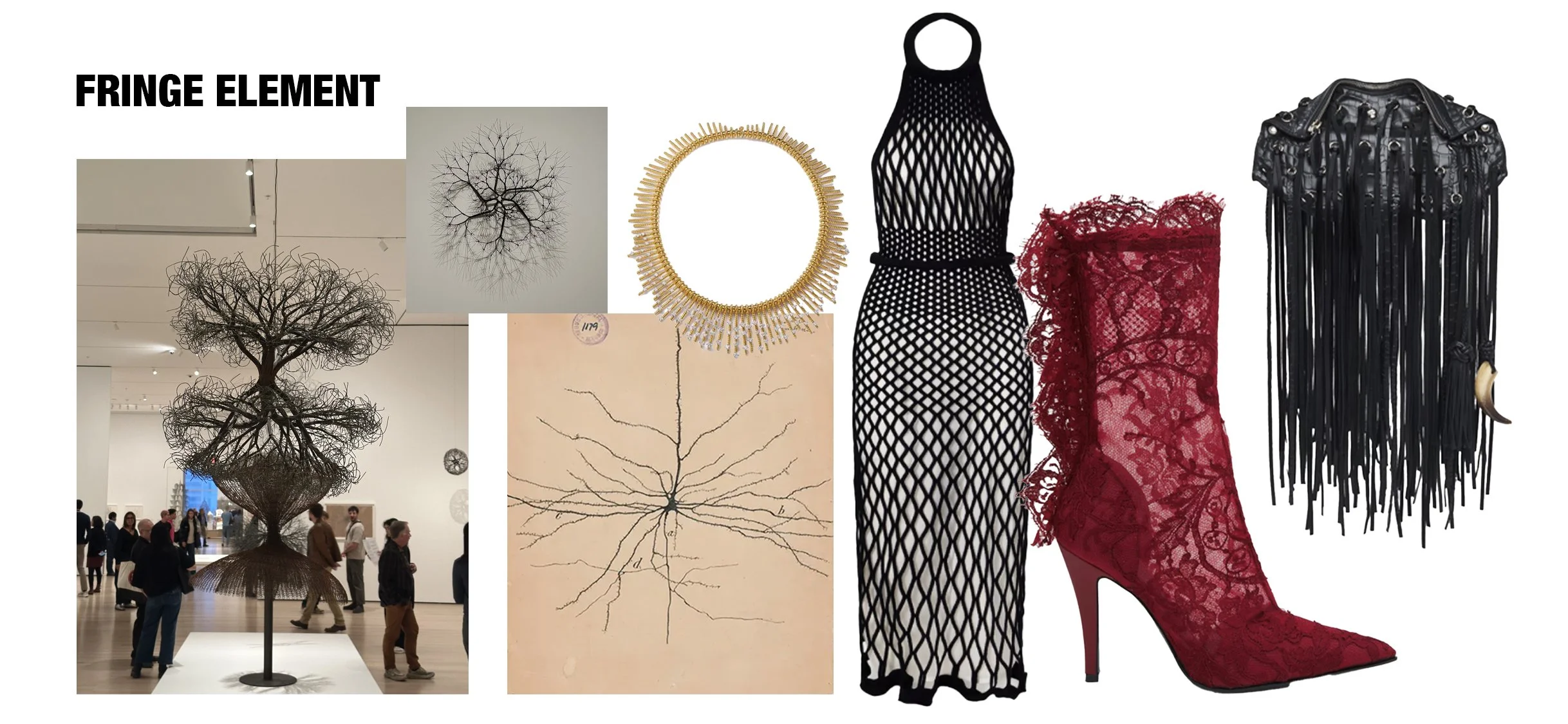
Ruth Asawa was exhibited at MoMA NYC. The nervous system fires throughout the body and mind. Brittle hyper-reactivity, inflammatory discernment, and slow hypo-reactivity define how Vata, Pitta, and Kapha, respectively, move, think, feel, and form. (Image: AKJAM Publishing)
FRINGE ELEMENT
Ruth Asawa branches into Ramon y Cajal’s territory by mimicking neuronal networks. Unintended or intentional. No body is a body without their nervous system. Thin-skinned Vata energies feel them more than thick-skinned Kapha types.
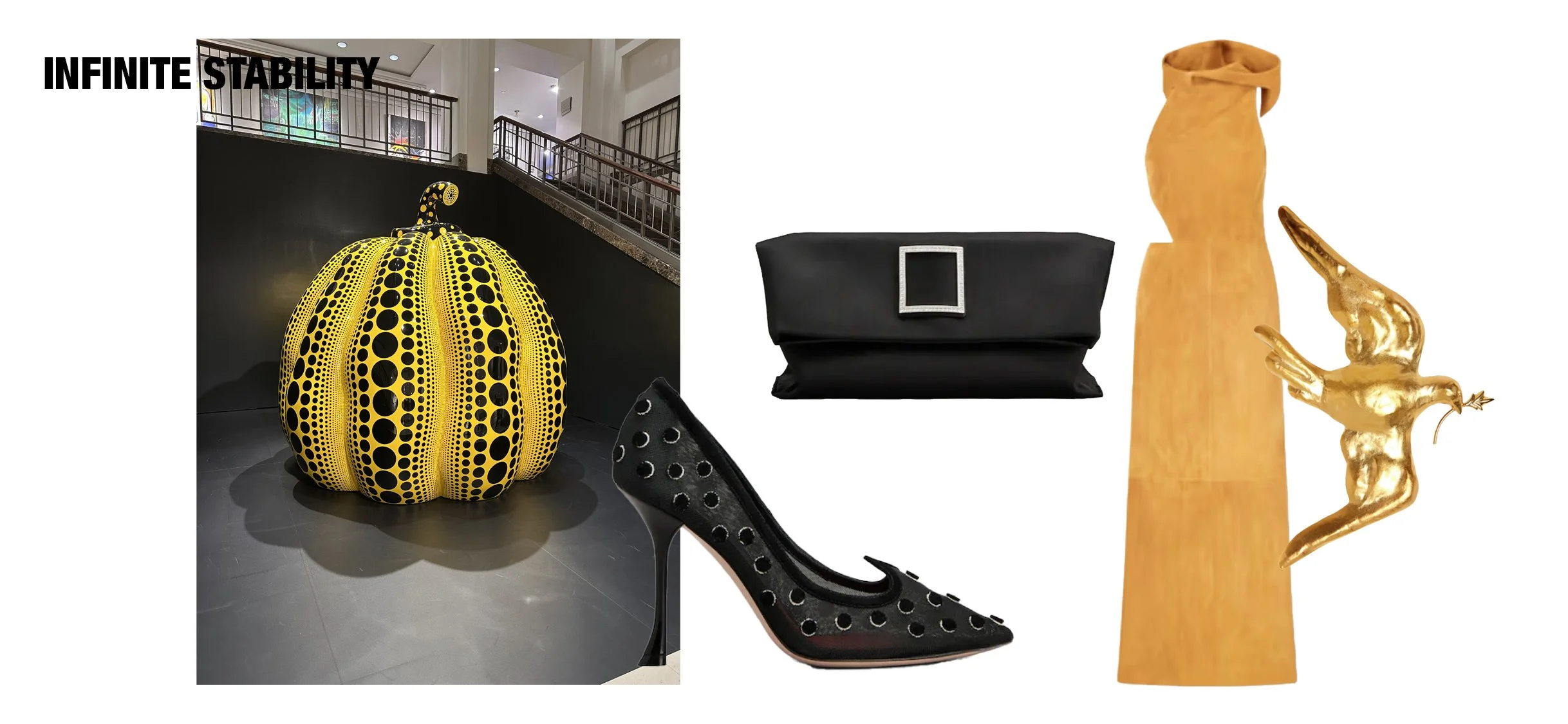
Yayoi was auctioned at Christies NYC. Kapha should be named Annabelle because anabolism denies her structure and being. Maximum storage, minimum heat loss. (Image: AKJAM Publishing)
INFINITE STABILITY
Yayoi Kusuma’s giant pumpkin is a masterclass in Kapha energy. The polka dots keep it from being desperately static. It’s anchored and bulbous, but bright yellow and patterns let it move like a dove.
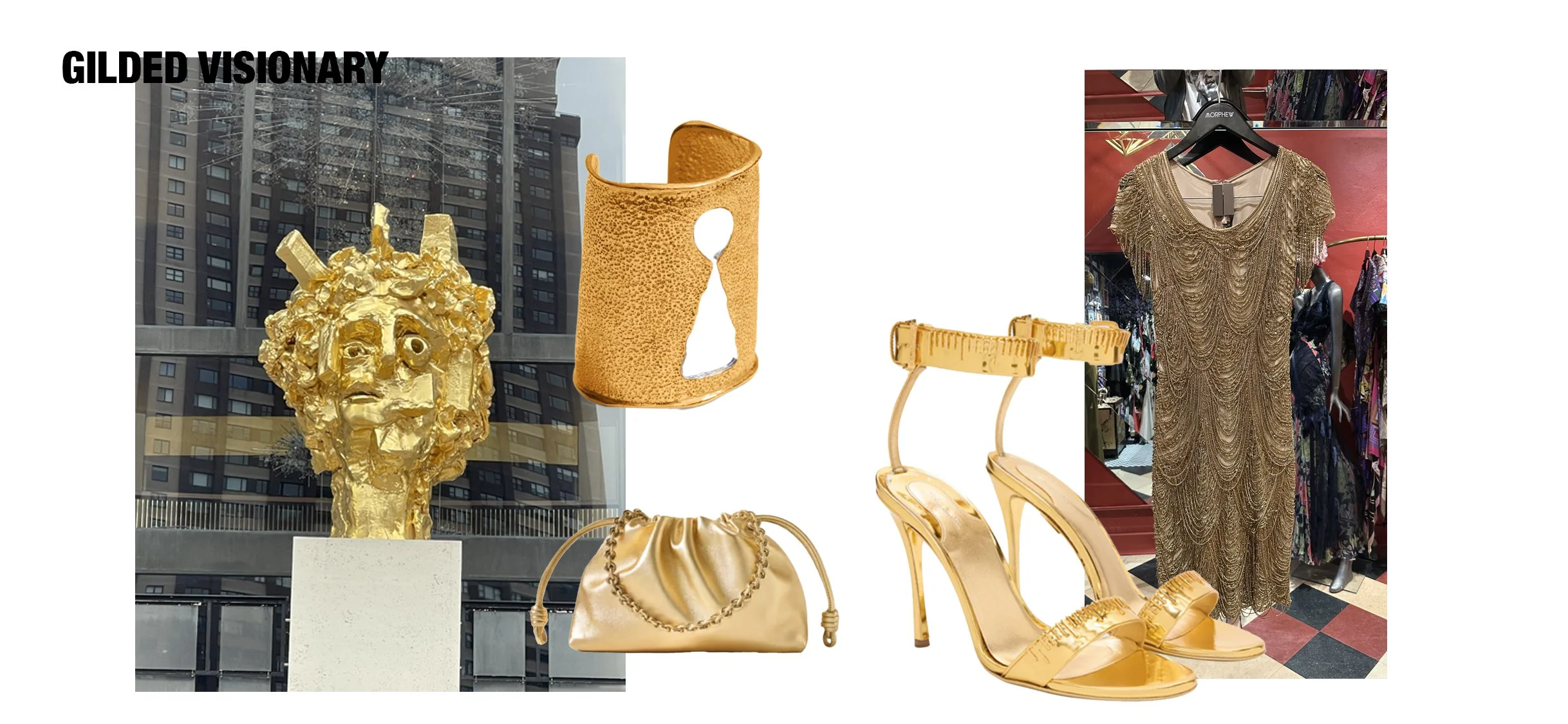
George Condo is at The Met Opera House Lincoln Center. Angular features arise from low subcutaneous fat, high testosterone-to-estrogen ratios, and dense bone mineral distribution. It is the hallmark of Vata and Pitta.(Image: AKJAM Publishing)
GILDED VISIONARY
George Condo’s Constellation of Voices (2019) is Vata’s heart wrapped in Pitta’s skin. It demands attention and scintillates brighter than the sun. The sculpture’s disjointed features and frantic lines play right into the free spirit’s delicate frame and visionary’s sharp angles.
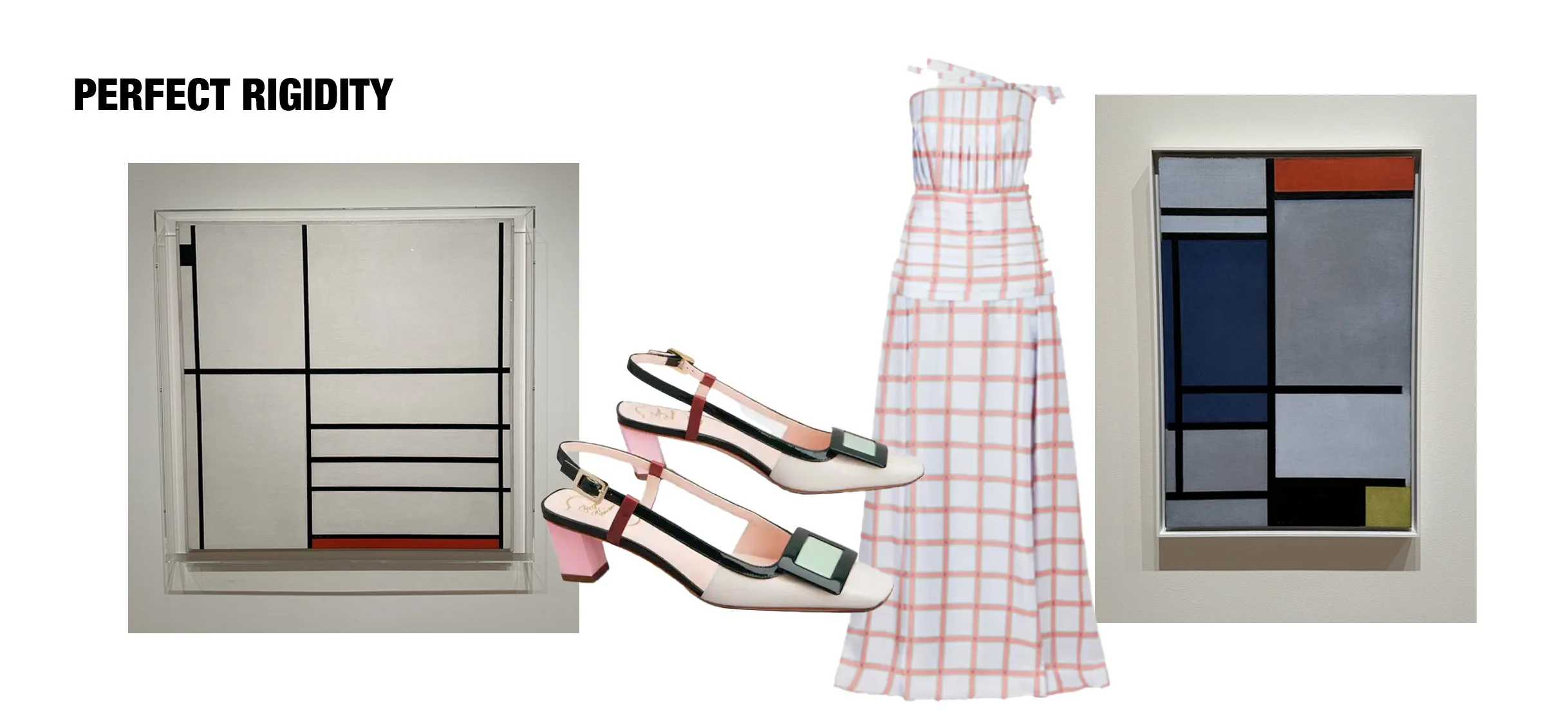
Mondrian is exhibited at MoMA. Perfectionism is tied to an active hypothalamic-pituitary-adrenal axis, which keeps dripping cortisol into the system. The vagal tone may become inconsistent. (Image: AKJAM Publishing)
PERFECT RIGIDITY
The precision Piet Mondrian (1921 and 1936) pioneered defines Pitta’s perfectionism. The power player’s physical and mental archetype aligns perfectly with Mondrian’s strict geometry. No curves, no blurring.
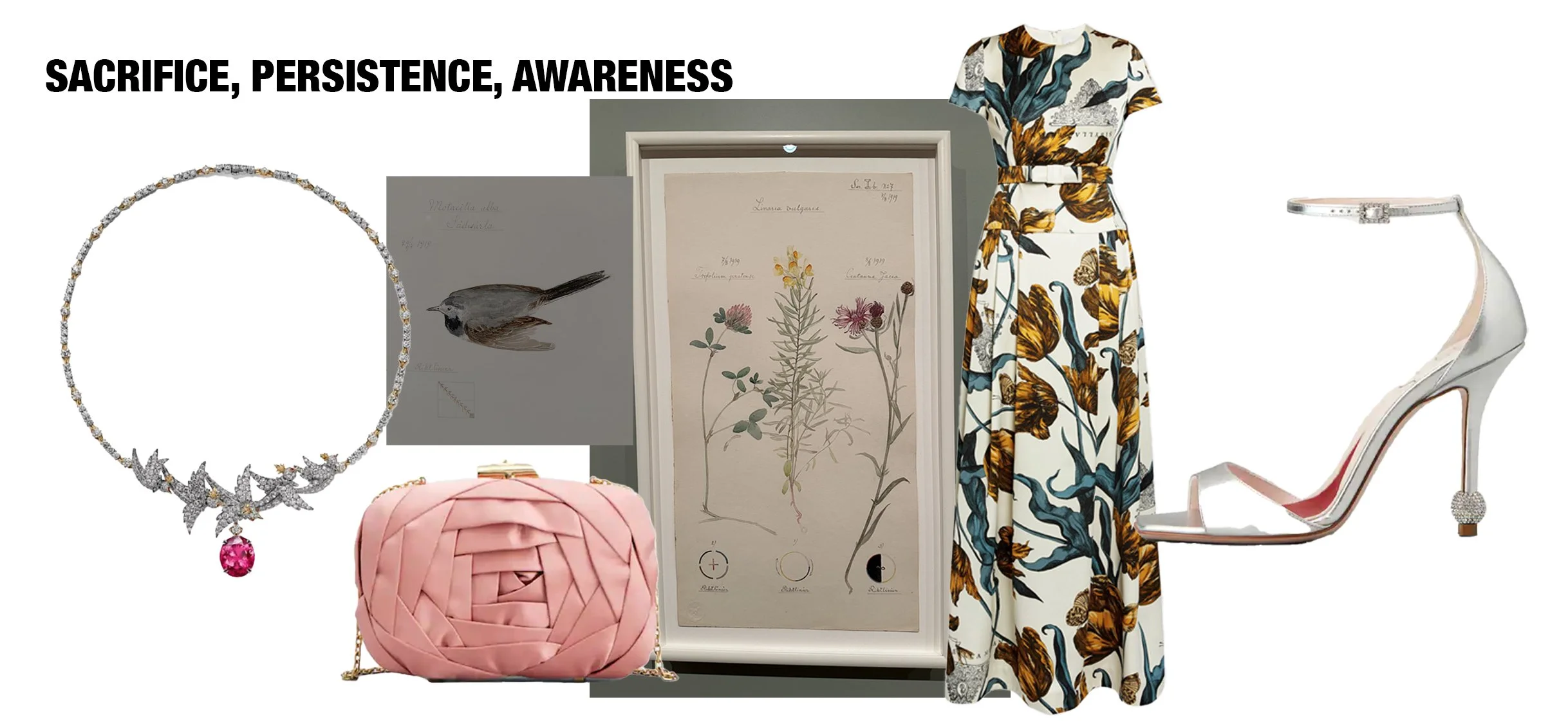
Hilma af Klimt was exhibited at the MoMA NYC. Plants and human bodies manage energy by using circadian rhythms. (Image: AKJAM Publishing)
SACRIFICE, PERSISTENCE, AWARENESS
Hilma af Klint takes abstraction to the garden. This look emphasizes inner beauty.
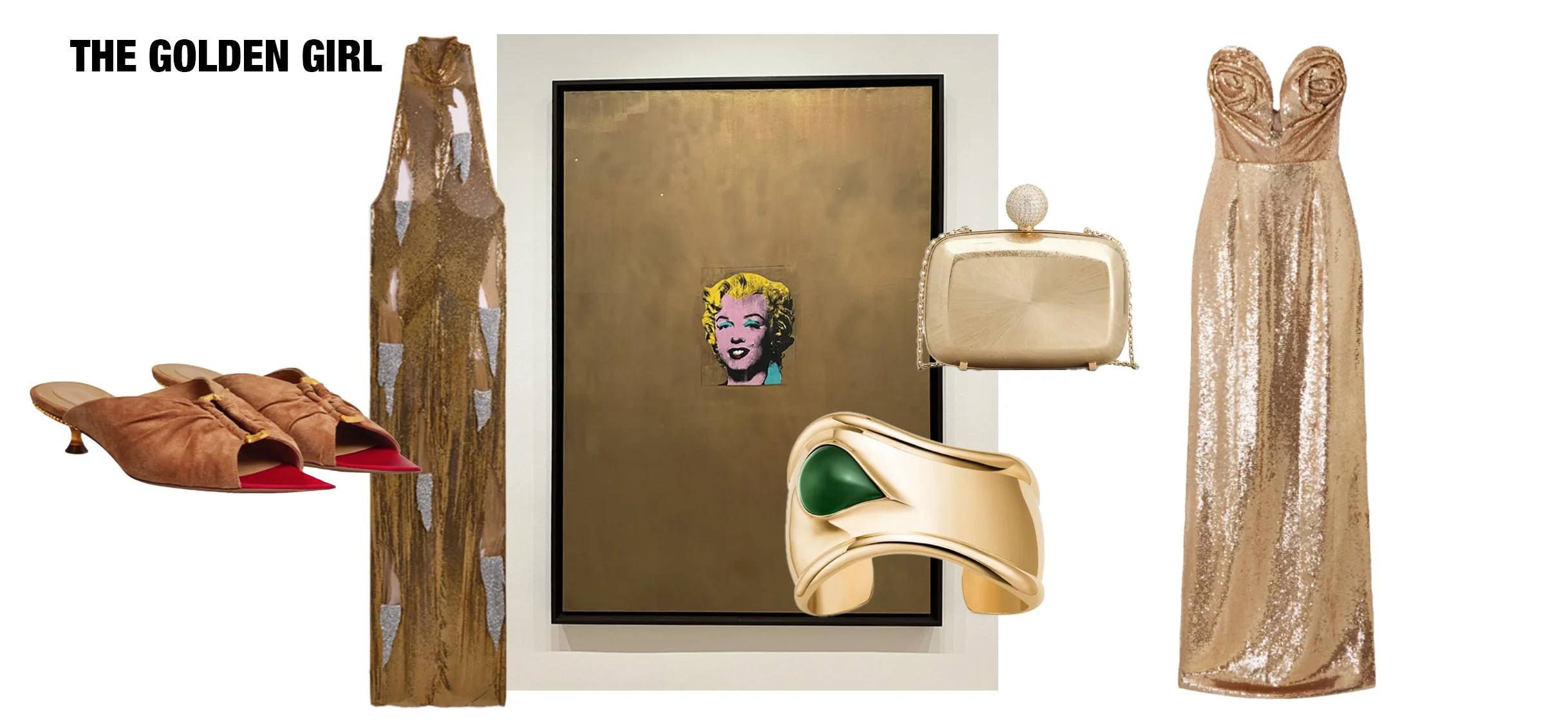
Marilyn is exhibited at MoMA NYC. Superior barrier function, high collagen density, and rich sebum composition give Kapha that radiant glow. (Image: AKJAM Publishing)
THE GOLDEN GIRL
Shining bright for the cameras while she’s torn inside. Kapha, like Marilyn, is voluptuous with radiant skin. Her gilt outsizes her.
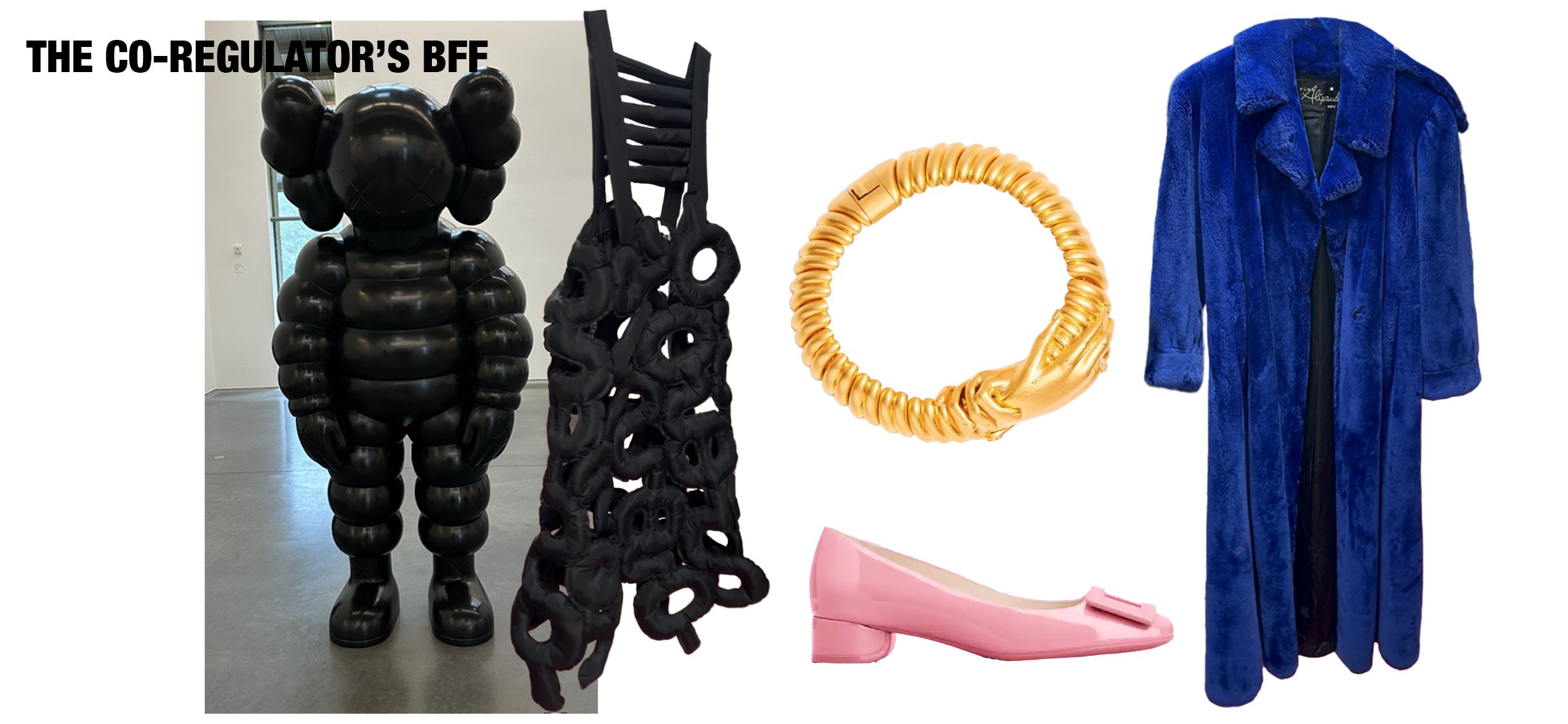
Kaws was exhibited at Parrish in Water Mill. The lymphatic system can clog interstitial fluid between skin cells. Moving it around with gua sha reduces clumpiness. (Image: AKJAM Publishing)
THE CO-REGULATOR’S BFF
Kapha is a velvet moss. She not only needs Kaws’ Chum, but also is a mirror image of it. Physically unshakeable, heavy, and soft.
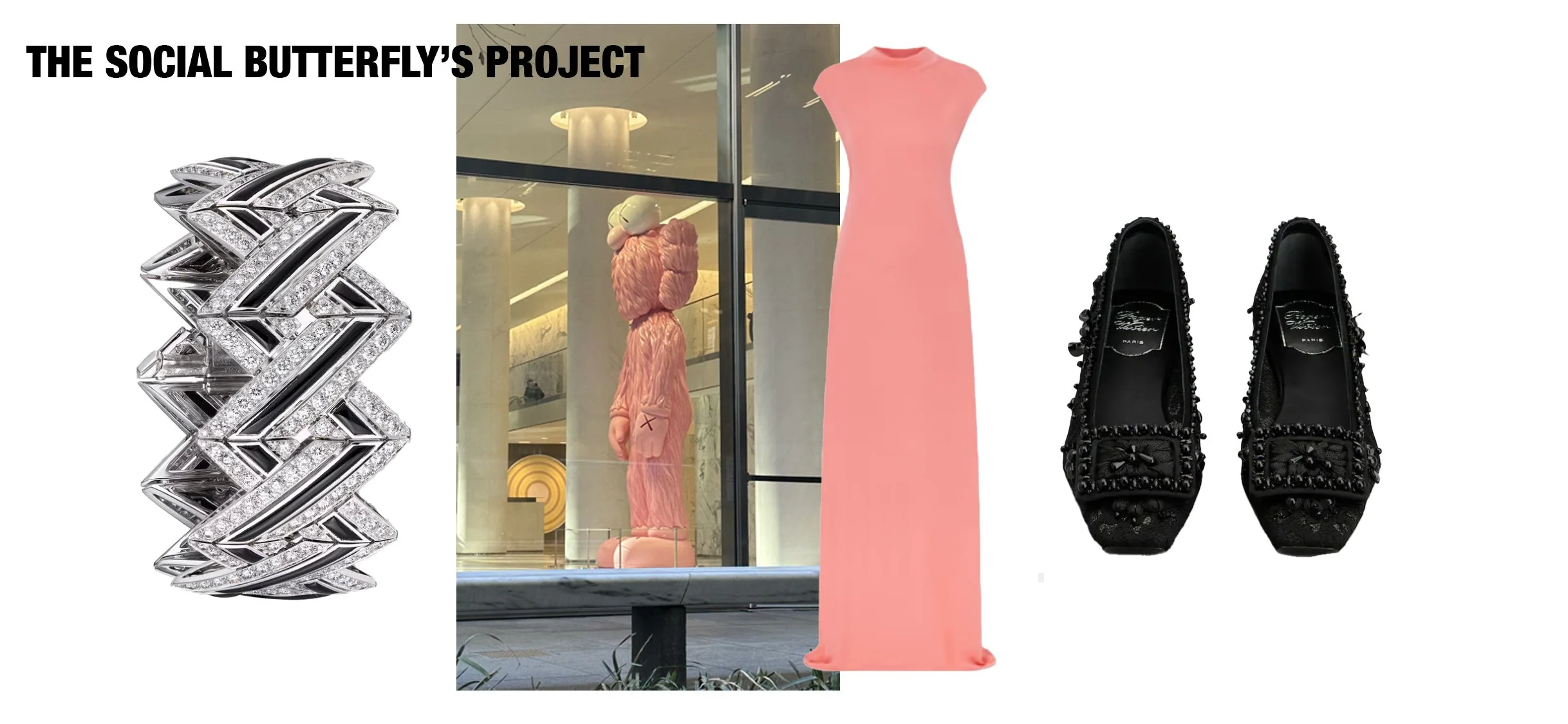
Kaws is exhibited at Park and 53rd NYC. Physically, hunching over is a muscle imbalance. Scientifically, it is a defensive shield that is a bidirectional loop between posture and emotion governed by the amygdala and cortisol. (Image: AKJAM Publishing)
THE SOCIAL BUTTERFLY’S PROJECT
You know the person at the partly the flints around the room talking to everyone? This is her and she’s out to take the slouch out of Kaws’ Companion. The lean frame hunches with a sense of vulnerability. Tom Ford’s sleek pink gown stands tall and remains grounded with beaded lace Vivier’s.
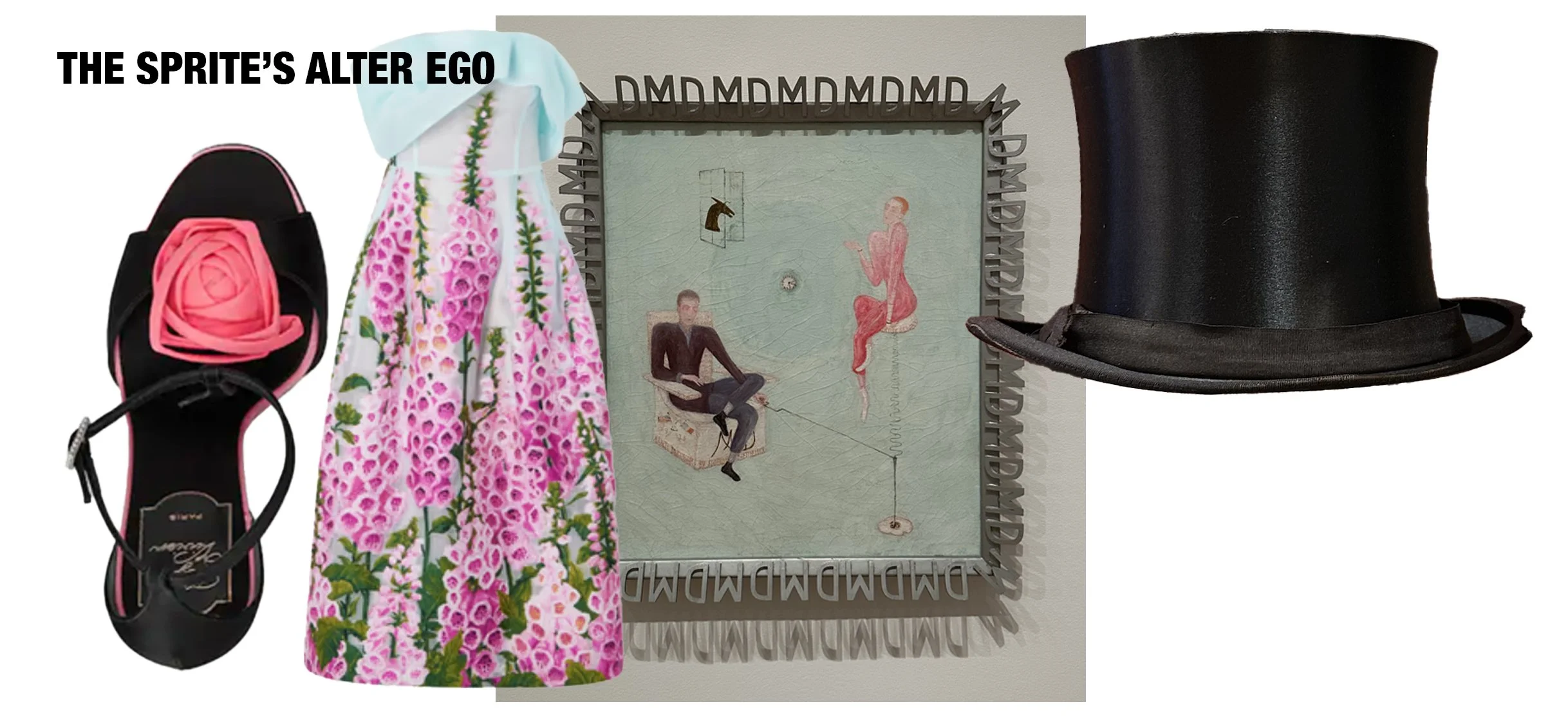
Duchamp is exhibited at MoMA NYC. The mirror neuron system looks at the version you’ve created. Changing your body form changes how the gut-brain axis aligns with that new reality. (Image: AKJAM Publishing)
THE SPRITE’S ALTER EGO
Make like Duchamp and create another you. Portrait of Marcel Duchamp and Rrose Sélavy (1923, Florine Stettheimer) brings to life the sprite’s mind. The exploration of new ideas, roles, and identities is enclothed in dreamy gowns, florals, and top hats.
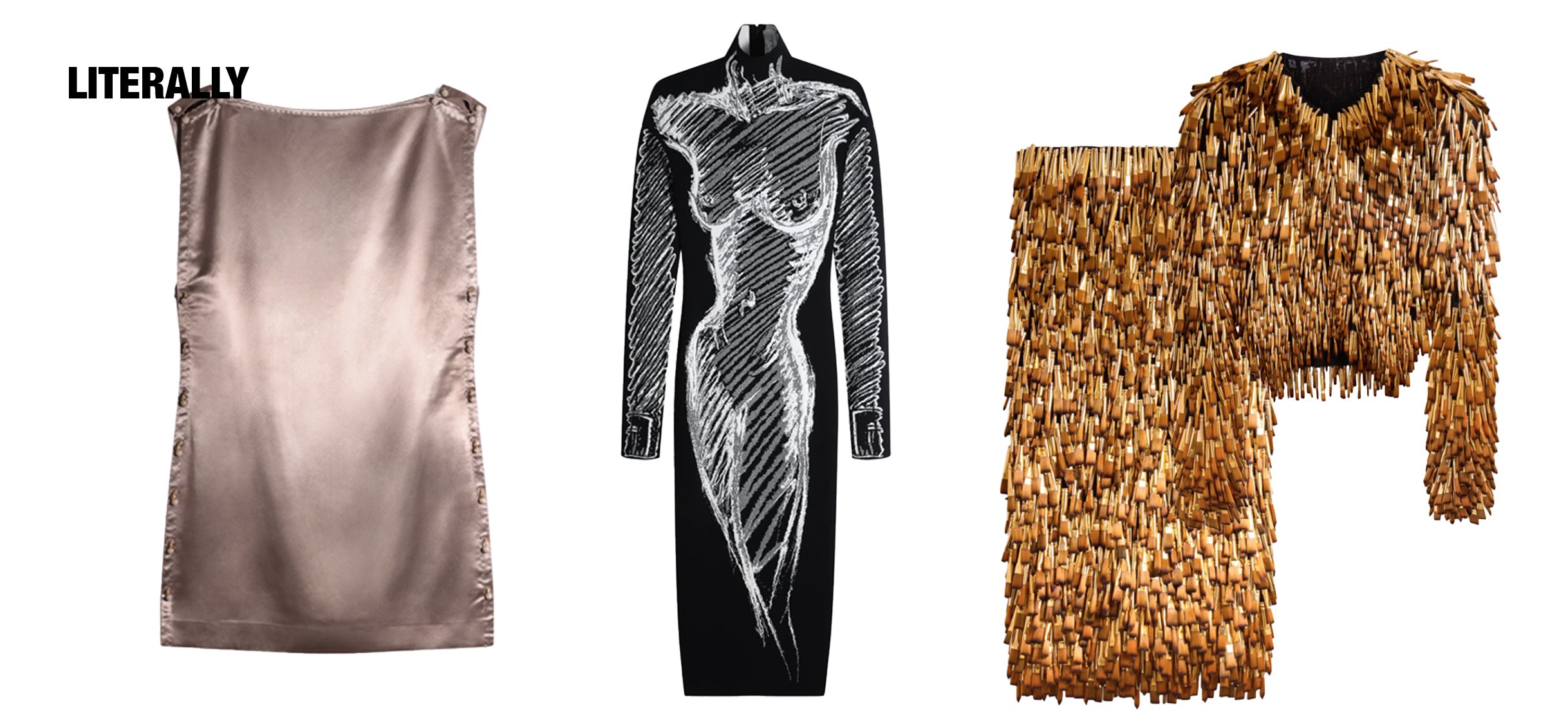
Neuro-aesthetic perception allows mirror neurons and visual cortex to decode anatomical proportions, postural tension, and light-reflecting surfaces. This simulates the physical sensations of movement, weight, and vitality within the nervous system.
LITERALLY
Not because everyone overly incorrectly uses that word. But because some artworks depict the fashion and art with a full stop. Schiaparelli does it best with paint brushes, a canvas, and, of course, the body.
READ MORE

As the Met Gala approaches, we are reminded that Katy Perry will dress in a ridiculous costume that makes the event a Halloween spectacle. This year’s Fashion is Art theme may play to that more than previous themes. Of course, Dosha Dressing is the epitome of Fashion is Art.